
How Much Does Incontinence Care Really Cost? Hidden Expenses Caregivers Should Know

Caring for incontinence can cost caregivers $100–$250 monthly, but hidden expenses like laundry, keeping beds dry with bedding replacements, and lost work time can push the total much higher. Supplies like adult briefs, underpads, and wipes are just the start. Utility bills rise with extra laundry, while untreated incontinence can lead to costly health issues. Budgeting for these visible and hidden costs is essential to manage caregiving effectively.
Understanding the true financial toll of incontinence care helps families plan better. From supply costs to insurance gaps, addressing these challenges head-on can save money and reduce stress. Let’s break it all down.
True Cost of Incontinence Care: Monthly Expenses Breakdown for Caregivers
The Financial Impact Of Incontinence
sbb-itb-45288fe
Direct Costs: Hygiene Products and Supplies
Caring for someone with incontinence often means dealing with visible, recurring costs. These include essential items like adult briefs, protective underwear, pads, wipes, and barrier creams. Since these products are disposable, they require constant replenishment, leading to ongoing expenses that can quickly add up over time. Understanding these costs can help with more accurate budgeting. Let’s take a closer look at the typical supplies and how the severity of incontinence impacts expenses.
Common Incontinence Supplies and Their Costs
Incontinence supplies are generally divided into two main categories: staple products (wearables) and supplemental products (cleaning and protection items).
- Staple products include bladder control pads for light leakage, which typically cost between $5 and $20 per pack. For more moderate to severe cases, protective underwear or pull-ups - designed for active adults - and adult briefs with tabs for those needing caregiver assistance are essential. These wearable products account for the bulk of recurring expenses.
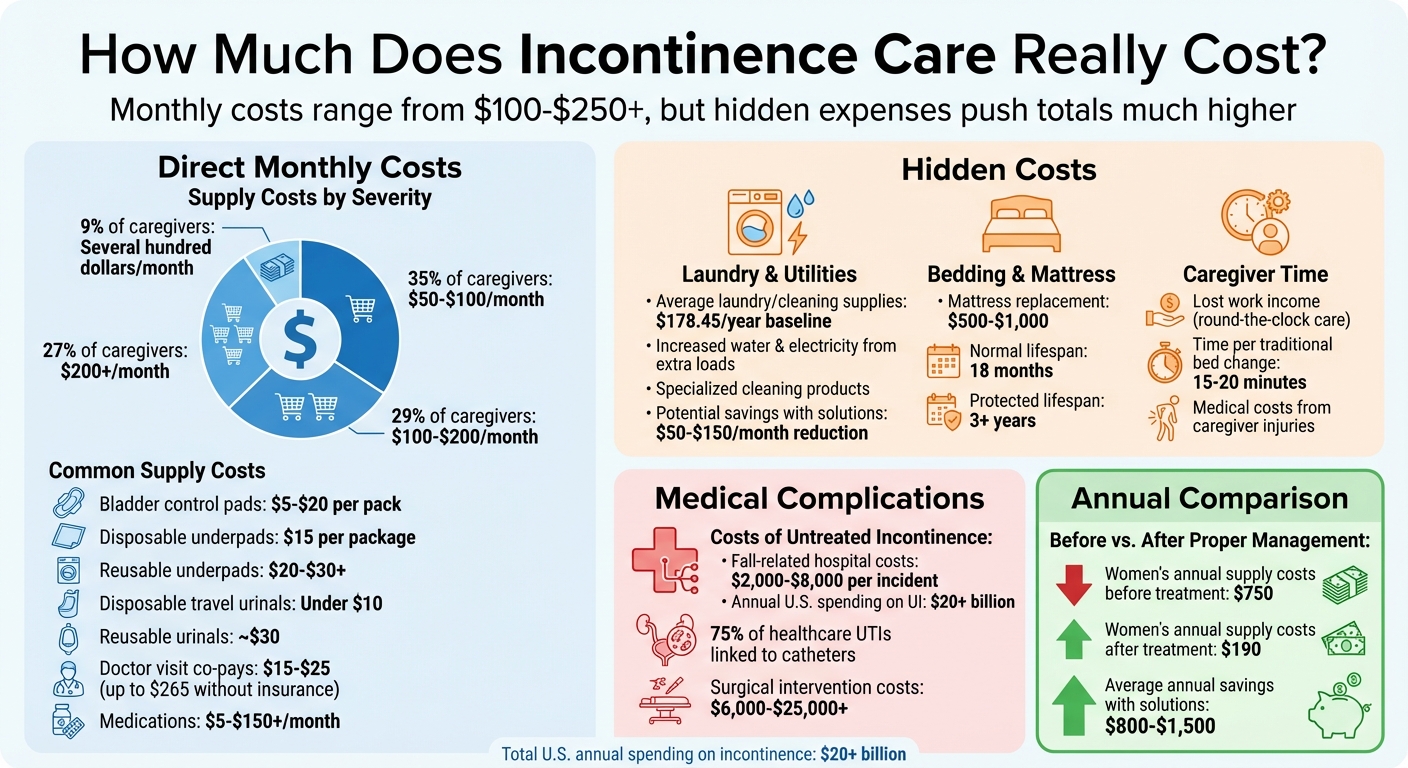
- Supplemental products are used to maintain skin health and prevent leaks. For instance, underpads (commonly known as chux) protect bedding and furniture. When choosing between waterproof mattress pads vs. disposable sheets, disposable underpads cost about underpads (commonly known as chux) protect bedding and furniture. Disposable underpads cost about $15 per package, while reusable ones range from $20 to $30 or more5 per package, while reusable ones range from $20 to $30 or more. Items like wipes, barrier creams, and gloves also play a role in maintaining hygiene. For added convenience, travel urinals are an option; disposable pouches are available for under $10, while reusable devices cost around $30.
Beyond these supplies, medical costs can pile up if incontinence isn’t managed properly. Routine doctor visits typically involve co-pays ranging from $15 to $25, but without insurance, a single visit could cost up to $265. Medications prescribed for symptom management can add another $5 to $150 or more per month. To illustrate, women with incontinence reportedly spend an average of $750 annually on supplies before surgical intervention, a figure that drops to about $190 per year after successful treatment.
How Incontinence Severity Affects Monthly Expenses
The severity of incontinence directly impacts how much is spent each month. A survey revealed that 35% of caregivers spend $50–$100 monthly on supplies, 29% spend $100–$200, and 27% spend over $200.
For mild incontinence, costs might stay relatively low with discreet bladder pads. However, as severity increases, the need for high-absorbency briefs, booster pads, additional underpads, and frequent use of barrier creams can significantly raise expenses.
In severe cases, the frequency of product changes drives costs even higher. Around 9% of caregivers report spending several hundred dollars each month on supplies alone. This creates a long-term financial burden that can strain even the most carefully planned budgets. Implementing nighttime incontinence care strategies can help manage these costs while improving comfort.
Hidden Expenses: Costs That Add Up Over Time
The price tags on incontinence products only tell part of the story. Hidden expenses creep in, quietly stretching household budgets. From higher utility bills to worn-out bedding and lost caregiver time, these costs pile up in ways that are easy to overlook. Increased laundry loads spike water and electricity usage, while frequent accidents accelerate wear on bedding and mattresses, often leading to expensive replacements. And then there’s the toll on caregivers - time spent cleaning and managing care that could otherwise be used to earn income. Let’s take a closer look at how these factors silently inflate the overall cost of care.
Laundry and Utility Costs
Managing incontinence often means more laundry, which can quickly drive up water and electricity bills. Add to that the ongoing need for detergent, dryer sheets, and specialized cleaning products, and the expenses start to snowball. For context, the average American spent $178.45 on laundry and cleaning supplies in 2021 - a figure that can climb significantly when dealing with incontinence.
But it doesn’t stop at laundry. Accidents can require additional cleaning of carpets, couches, and even car seats, which means more household cleaners and more time spent scrubbing. And while protective bedding can help, it doesn’t completely prevent the wear and tear on mattresses caused by repeated exposure to moisture.
Bedding and Mattress Replacement Expenses
Protective bedding is a go-to solution for many caregivers, but it’s not a one-and-done purchase. Choosing between disposable vs. washable bed sheets involves weighing upfront costs against long-term savings; disposables can run about Disposable bed pads can run about $15 per package, while reusable options range from $20 to $30 or more5 per package, while reusable options range from $20 to $30 or more. Even with these measures, mattresses often suffer over time, leading to costly replacements.
The physical strain on caregivers adds another layer of expense. As QuickChange highlights:
Bedside Caregivers experience their own physical ailments such as back, shoulder, and neck injuries when trying to assist their loved ones in... changing linens.
These injuries can lead to medical costs and further complicate the caregiving process, making an already challenging situation even harder to manage.
The Value of Caregiver Time
Caregiving isn’t just emotionally demanding - it’s financially draining, too. Time spent on care often translates to missed work and lost income. Aeroflow Urology explains:
Caregivers like parents or older siblings may miss work to stay home and care for their loved ones since incontinence management is a round-the-clock job.
And it’s not just about missed paychecks. The time spent on frequent trips to stores for supplies or the physical effort required for quick changes adds up. Tasks like lifting, rolling, and repositioning can lead to injuries, which may result in additional medical bills.
When you consider all these factors - utility costs, bedding replacements, and lost income - the true cost of incontinence care goes far beyond what’s visible on store receipts. It’s a financial and physical burden that many families face quietly, day after day.
Insurance Coverage Gaps and Healthcare Costs
Insurance often falls short of covering all expenses related to incontinence care, leaving families to shoulder a significant financial burden. For example, Original Medicare (Parts A and B) does not cover absorbent products like adult briefs or pads, classifying them as "personal hygiene products" rather than medical necessities. While some Medicare Advantage plans offer limited relief through over-the-counter allowances, Medicaid provides broader coverage for those who qualify. Beyond the cost of supplies, inadequate care can lead to expensive complications, such as skin infections and falls. Examining these gaps in coverage sheds light on the broader financial impact of incontinence care and underscores the importance of carefully evaluating Medicare, Medicaid, and alternative plans.
Medicare and Medicaid Coverage for Incontinence Supplies
Original Medicare leaves caregivers responsible for 100% of absorbent supply costs. Medicare Part B only covers specific medical devices, such as catheters, pelvic floor stimulators, and bedside commodes, provided they are prescribed by a doctor. After meeting the $257 annual deductible for 2025, beneficiaries must pay 20% coinsurance on these items, alongside a standard monthly premium of $185.
Medicare Advantage (Part C) plans can help fill the gap. These private plans are required to cover everything Original Medicare does, but many also include over-the-counter benefits that can be used for incontinence supplies like adult diapers and pads. To find out what’s covered, check the plan’s "Summary of Benefits".
Medicaid offers more comprehensive coverage, but eligibility and rules vary by state. Most state Medicaid programs cover items like diapers, pull-ons, underpads, and gloves for individuals aged 4 and older. For those who qualify, Medicaid can save up to $630 per month on supplies. However, a physician’s prescription and a "Certificate of Medical Necessity" are typically required to document the underlying condition. For individuals eligible for both Medicare and Medicaid (dual eligibility), Medicaid often covers absorbent supplies, while Medicare focuses on medical treatments.
While these programs address supply costs to varying degrees, the financial risks extend well beyond the supplies themselves.
Medical Costs from Untreated Incontinence
Neglecting proper care can lead to serious and costly health issues. Poorly managed incontinence often triggers what experts call a "cascade of escalations", where minor skin irritation can progress to infections, pressure ulcers, and even emergency room visits. Dr. Mike Cantor, Chief Medical Advisor at Aeroflow Health, highlights the risks:
Untreated or poorly managed incontinence contributes to falls, skin breakdown, and urinary tract infections, each of which can trigger a cascade of escalations from ED visits to hospital admissions.
The financial fallout from these complications is considerable. Hospital costs for falls related to urinary incontinence range from $2,000 to $8,000 per incident. Nationwide, the U.S. spends over $20 billion annually on managing urinary incontinence, much of which goes toward treating preventable complications. Additionally, about 75% of healthcare-associated urinary tract infections are linked to catheter use, further driving up medical costs. Investing in high-quality moisture-wicking products and following a checklist for incontinence hygiene can help prevent these secondary issues, protecting both health and dignity.
PeelAways: A Cost-Saving Solution for Caregivers
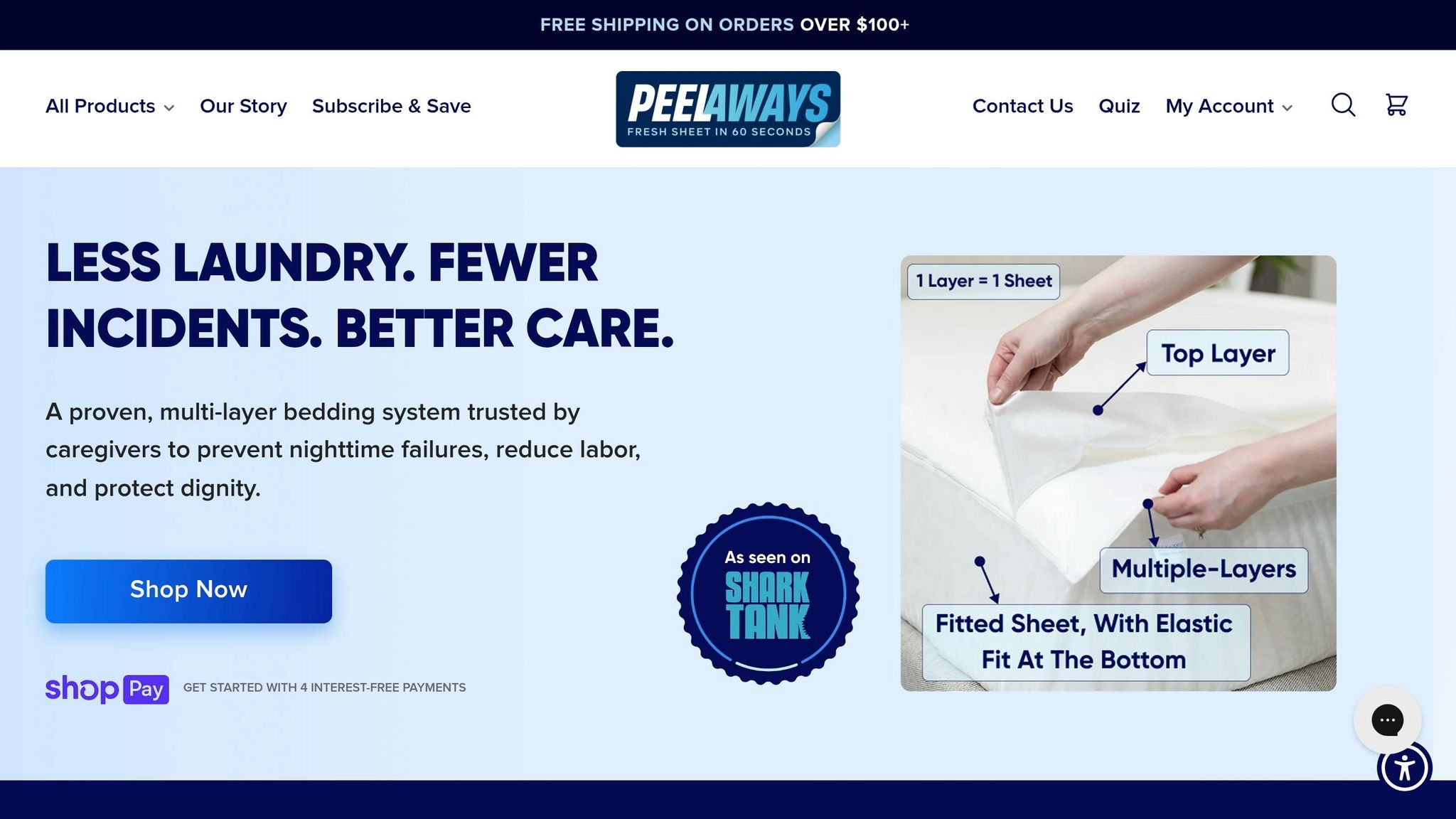
Caregiving comes with countless hidden expenses, but PeelAways multi-layer disposable bed sheets offer a practical way to cut costs and save time. By reducing laundry loads by 50–80%, preventing costly mattress replacements, and allowing bed changes in under 60 seconds, PeelAways address some of the biggest pain points for caregivers. These sheets feature 5–7 waterproof layers stacked on a single fitted sheet. When the top layer gets soiled, you simply peel it off to reveal a clean layer underneath. This eliminates the hassle of stripping beds, washing linens, and remaking them several times a week, providing a direct solution to the financial and time burdens many families face.
How PeelAways Saves Time and Money
PeelAways simplify caregiving by transforming a time-consuming task into something quick and manageable. What used to take 15–20 minutes now takes just 60 seconds. No more lifting heavy mattresses, struggling with fitted corners, or starting emergency laundry loads in the middle of the night. Instead, caregivers can peel off the soiled layer and move on. Each layer includes a waterproof barrier that wicks moisture away from the skin, protecting both the user and the mattress from stains, odors, and fluids.
For caregivers managing frequent nighttime accidents, this design drastically reduces the need for laundry. One caregiver shared that switching to PeelAways cut their laundry from 2 loads a day to just 3–4 loads per week - a 65% reduction. This simple change saved $120 monthly in utility bills and laundry supplies. Additionally, the sheets are easy to handle, often allowing bed changes to be completed with one hand. This feature promotes independence for users who may be able to manage their care on their own.
Financial Benefits of PeelAways
PeelAways don’t just save time - they also save money. On average, users save $800–$1,500 annually across various caregiving costs. By reducing 10–20 extra monthly laundry loads, caregivers save $50–$150 per month. For those spending around $100 monthly on laundry due to incontinence, PeelAways can cut that by 60%, saving $60 per month or $720 annually.
The waterproof layers also protect mattresses, extending their lifespan from 18 months to over 3 years. This prevents the need for replacements, which typically cost $500–$1,000. Families also save on supplies, as the disposable layers reduce the need for multiple pads and diapers, adding up to $200–$400 in annual savings. Healthcare facilities see even larger savings, with labor costs dropping from $6.25 per bed change (15 minutes) to $2.08 (5 minutes), and laundry expenses reduced to zero.
Comfort and Dignity with PeelAways
Aside from the financial and time-saving benefits, PeelAways help preserve dignity and comfort for users. The sheets are made from a bamboo-rayon blend that feels like regular bedding while effectively wicking moisture to prevent skin irritation. Unlike bulky pads that can shift during sleep, PeelAways stay in place, offering a more natural sleeping experience. Users have rated them 90% higher in comfort compared to traditional alternatives.
The quick, 60-second bed change minimizes embarrassment and maintains privacy, as it eliminates the need for full undressing. This fosters independence for users and reduces the emotional strain on caregivers. In fact, caregivers report feeling 70% less stress thanks to fewer physical demands and the ability to handle emergencies more efficiently. Additionally, the single-use layers reduce cross-contamination risks, supporting infection prevention while remaining gentle on the skin. Free from harmful chemicals, PeelAways prioritize both safety and comfort.
Conclusion: Planning Your Incontinence Care Budget
Incontinence care can be far more expensive than families initially expect. With total costs in the U.S. surpassing $20 billion annually, careful planning is crucial. Monthly expenses often fall between $100 and $250, but more severe cases can exceed $300 when you account for supplies, laundry, bedding protection, and medical visits.
When budgeting, it's important to consider both obvious costs, like supplies, and hidden ones. These can include higher utility bills from additional laundry, faster wear and tear on appliances and bedding, and even medical expenses related to caregiver strain or injuries. Additionally, gaps in insurance coverage should be factored in - Medicare and Medicaid offer limited support for incontinence supplies, and surgeries can range from $6,000 to over $25,000 depending on your coverage.
Understanding these cumulative costs underscores the importance of finding bedding solutions that save both time and money. PeelAways multi-layer disposable sheets are one such option, designed to ease financial pressure while maintaining comfort and dignity. These sheets reduce laundry loads by 50–80%, protect mattresses from damage, and help families save $800–$1,500 annually. Their 60-second peel-away design also minimizes caregiver strain, reducing the risk of secondary health issues, all while offering a soft, breathable bamboo-rayon surface.
As a special offer, PeelAways is giving blog readers an exclusive 10% discount - just use code BLOGS10 at checkout. This discount can be combined with subscriptions and bundle deals. You can purchase PeelAways on Amazon or directly at Peelaways.com.
FAQs
What hidden costs of incontinence care do most families miss?
Families often miss the hidden expenses tied to incontinence care. These include frequent laundry cycles, extra detergent, higher water and energy bills, medical appointments, and the considerable time spent managing the condition. These costs can accumulate faster than expected, so planning and budgeting carefully is crucial.
Does Medicare or Medicaid pay for adult briefs and pads?
Original Medicare usually doesn't include coverage for adult briefs and pads. However, certain Medicare Advantage plans might provide benefits for incontinence supplies. Medicaid, on the other hand, depends on state-specific rules, so it's essential to review your state's policies to understand eligibility and available benefits.
How can I cut laundry and bedding costs from overnight accidents?
To cut down on laundry and bedding expenses caused by overnight accidents, disposable multi-layer sheets like PeelAways can be a game-changer. These sheets come with several waterproof layers that you can peel off to reveal a clean surface instantly, reducing the need for frequent washing. For a cost-effective solution, pair these disposable sheets for emergencies with reusable waterproof bed pads for everyday use. While reusable pads need laundering, they are a more budget-friendly option in the long run. This combination helps maintain hygiene and comfort while keeping costs under control.
Comments
0



SAVE MONEY & WATER
Professionals & Institutions save a fortune on labor/laundry.

SUPERIOR COMFORT
The first thing our customers notice is how soft our sheets are.

100% WATERPROOF
Each layer is 100% Waterproof, perfect for spills and accidents

SAVE TIME
Change the sheet in under 1 minute without stripping the bed.

Leave a comment