
Customizable Bedwetting Alarms: Pros and Cons

Bedwetting alarms are tools designed to help children recognize and respond to nighttime accidents. Customizable models allow caregivers to adjust settings such as sound, vibration, brightness, and volume, making them more suitable for specific needs like deep sleepers or children with sensory sensitivities. Advanced options include features like wireless connectivity, mobile apps, and progress tracking, while budget options focus on basic functionality. Here's a quick overview:
- TheraPee: Combines an alarm with an online program, priced around $300.
- Chummie Premium: Offers multiple tones, vibration, and lights for $100.
- Malem Ultimate: Compact and sensitive, ideal for deep sleepers, priced at $100.
- DryBuddy Flex3: Wireless with a bed shaker, priced at $125.
- Nytone: Armband-style with customizable alerts, priced at $80.
- DryEasy: Affordable with basic features, priced at $28.
- Shibeier: Budget-friendly at $22 but may have reliability issues.
Quick Comparison Table
| Alarm | Key Features | Price |
|---|---|---|
| TheraPee | Online program, pad design | ~$300 |
| Chummie | Multi-tone, vibration, lights | ~$100 |
| Malem | Compact, sensitive, multi-alert | ~$100 |
| DryBuddy | Wireless, bed shaker | ~$125 |
| Nytone | Armband, customizable alerts | ~$80 |
| DryEasy | Budget, basic functionality | ~$28 |
| Shibeier | Low-cost, basic features | ~$22 |
Customizable alarms work best when used consistently over weeks, paired with protective bedding for easier cleanup. Choose based on your child’s needs, sleep habits, and your budget. For deep sleepers, alarms with strong vibration and multi-sensory alerts are most effective, while simpler models may suit lighter sleepers or families starting out.
Best Bedwetting Alarm Reviews 2026 | Best Budget Bedwetting Alarm (Buying Guide)
1. TheraPee Bedwetting Solution

The details surrounding the TheraPee Bedwetting Solution are somewhat unclear. While it’s presented as a system that combines a bed pad, an alarm, and an online program, specifics about its customization options are not well-documented. Important factors like whether it offers adjustable settings for different household routines, how it performs for deep sleepers (such as volume or vibration adjustments), its child-friendly usability, pricing, and endorsements from professionals remain uncertain. To ensure it aligns with your needs, it’s best to reach out directly to the manufacturer for the most accurate and up-to-date information. Compared to other solutions, this lack of clarity makes it especially important to confirm details before purchasing.
2. Chummie Premium Bedwetting Alarm
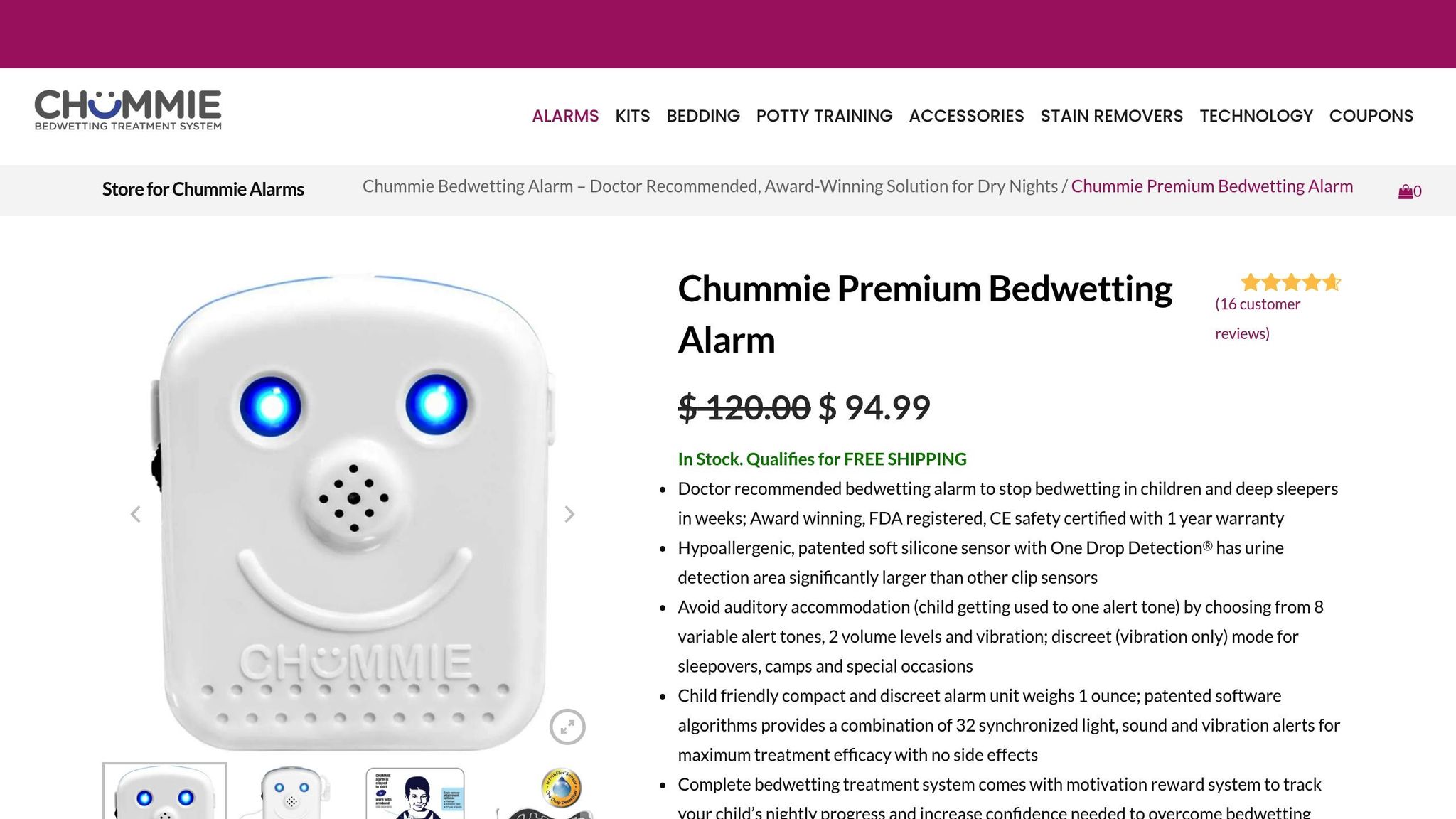
The Chummie Premium is a wearable bedwetting alarm designed to help children overcome nighttime accidents. It attaches to a child’s underwear and pajama top or can be worn with an optional armband. At a price point of roughly $100, it falls into the mid-range category. The product includes a 1-year warranty for the alarm and a 90-day warranty for the sensor.
Customization Options
The Chummie Premium stands out with its variety of customizable alert features. It offers eight different alarm sounds, adjustable volume settings, vibration, and flashing lights, all designed to prevent a child from becoming too accustomed to one specific alert. Parents can adjust these settings based on the situation - for example, opting for a vibration-only mode during sleepovers for added discretion or using the full combination of sound, vibration, and lights at home for a stronger wake-up signal. Additionally, a removal alert triggers if the sensor becomes detached, ensuring the device remains effective throughout the night.
The sensor itself is crafted from soft silicone with rounded edges and is marketed as hypoallergenic. It is designed to detect moisture quickly, activating the alarm at the first sign of wetness with what the company refers to as "one-drop" sensitivity.
Ideal for Deep Sleepers
This alarm is particularly effective for deep sleepers, thanks to its patented alert system. By alternating the alert patterns, it prevents children from becoming desensitized to the sound or vibration. The two-step shut-off feature ensures the child is fully awake and ready to get to the bathroom, making it a reliable option for even the heaviest sleepers.
Ease of Use
While the Chummie Premium is lightweight and low-profile, younger children may need help from a parent to set it up correctly. The sensor clips to the outside of the child’s underwear and connects to the alarm unit via a cord. The alarm itself can be attached to the neckline of pajamas or secured with an optional armband. To make things easier, parents can do a "dry run" in the evening to show the child how to use the alarm and turn it off, helping them feel more prepared when it activates during the night.
Cost and Durability
With a price tag of about $100, the Chummie Premium offers a mix of advanced features and practical design. It also comes with a free mobile app that includes instructional videos, FAQs, and customer support, adding value for parents navigating the bedwetting process.
The silicone sensor is designed to be easy to clean and resist wear, but reviews on Amazon reveal some concerns. Negative feedback highlights issues with durability (23.6% of reviews), alarm accuracy (20.0%), and comfort (12.4%) [5]. While these challenges are worth considering, the Chummie Premium still provides a comprehensive set of features for its price range.
For the best experience, pairing the alarm with protective bedding can simplify cleanup during the treatment process and provide added convenience for families.
3. Malem Ultimate Bedwetting Alarm

The Malem Ultimate is a wearable alarm designed to help children achieve nighttime dryness by using sound, vibration, and flashing lights to alert them at the first sign of moisture. Retailing for $100, it comes with a one-year warranty and is both FDA registered and CE certified, marking it as a medical-grade device.
The alarm clips onto a child’s pajama top, while the moisture sensor attaches to the outside of their underwear. As soon as the sensor detects any moisture, the alarm triggers, encouraging the child to wake up and use the bathroom. While it builds on features found in earlier models, it also presents a few challenges, particularly with sensor placement.
Customization Options
The Malem Ultimate is designed with flexibility in mind, offering a variety of alert settings to suit different needs. It includes eight alarm tones, vibration, and flashing light options. A two-step shut-off mechanism ensures the child fully acknowledges the alarm before it stops. For quieter operation, parents can select tone-only or vibration-only modes, while combining all three options creates a more powerful wake-up call - ideal for heavier sleepers.
The sensor’s quick-detect technology is highly sensitive, activating the alarm with minimal moisture. While this can speed up the training process, it might occasionally result in false alarms due to sweat or slight dampness. Proper sensor placement is key, but younger children may find it tricky to position the clip correctly.
Helping Deep Sleepers
For deep sleepers, the Malem Ultimate’s loud alarm and strong vibration are often enough to wake them. However, experts recommend that parents initially assist by waking the child when the alarm goes off. To encourage consistent responses, families can use reward systems or progress charts. Ensuring the sensor is properly placed and paired with snug-fitting underwear can also improve its effectiveness.
User-Friendly Design for Children
The compact design makes this alarm suitable for younger children, though they might need help with setup and resetting the device. Older kids and preteens, on the other hand, often enjoy the independence of selecting their preferred alarm tones and managing the device themselves.
To reduce frustration from false alarms, caregivers can take a few simple steps. Secure the sensor cord properly, attach it to dry, flat fabric, and use snug underwear to keep the sensor in place. Maintaining a cool, dry bedroom environment can also minimize sweat-triggered activations. Practicing proper sensor placement before bedtime can further prevent errors. For additional support, a free troubleshooting app is available to guide parents through setup and common issues.
Price and Overall Value
With a price tag of about $100 and a one-year warranty, the Malem Ultimate offers a well-rounded set of features for its cost. Its compact size, customizable alerts, and medical-grade certifications make it a solid option for families. However, the sensor’s high sensitivity and the learning curve associated with proper setup - especially for younger children - are factors to keep in mind.
For added convenience, consider pairing the alarm with disposable, multi-layer waterproof bedding like PeelAways. This can simplify cleanup and ensure consistent training, setting the stage for a broader look at the device's overall benefits and drawbacks.
4. DryBuddy Flex3
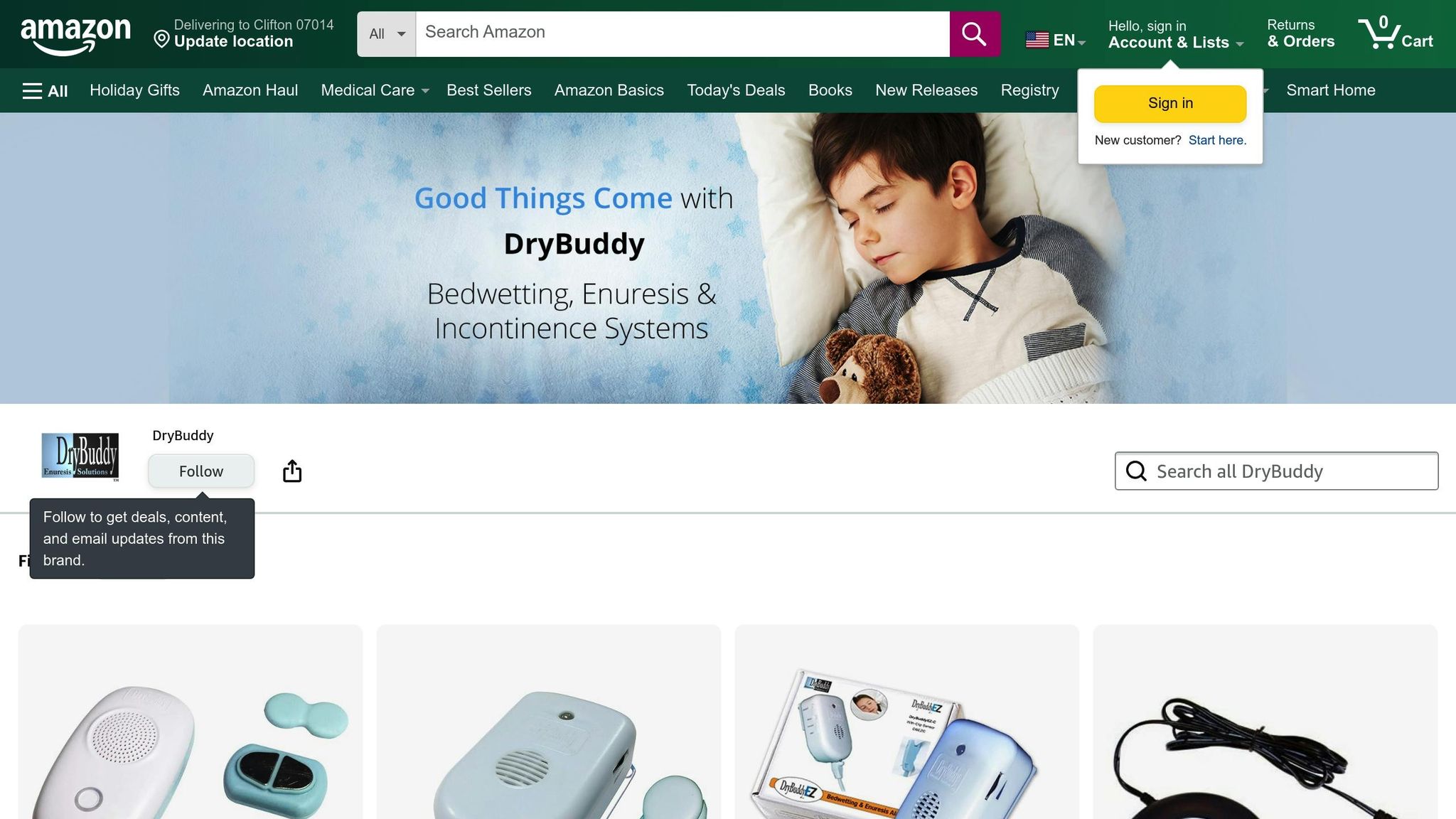
The DryBuddy Flex3 is a wireless bedwetting alarm system designed with versatility in mind, catering to children, teens, and adults. Unlike traditional clip-on alarms, this system offers a more flexible setup. While it costs more than basic wired models, it remains a practical option for families serious about tackling bedwetting. The system includes a magnetic sensor that attaches to underwear, a wireless receiver with a range of up to 200 feet, and an optional vibrating bed shaker for heavy sleepers.
One standout feature is its design. Unlike alarms that clip onto pajamas, the DryBuddy Flex3 keeps the main unit off the body, leaving only the lightweight sensor to be worn. This approach is often more comfortable and less disruptive to sleep. Its wireless design also eliminates the hassle of tangled cords, which can be a common issue for restless sleepers or younger children. Let’s dive into its customizable features.
Customizability Features
The DryBuddy Flex3 offers a variety of adjustable features to fit different needs. The receiver, with its 200-foot range, ensures caregivers can hear the alarm even from another room.
Families can choose between multiple alert options: a loud audible alarm, the vibrating bed shaker, or a combination of both for maximum effectiveness. The included remote control allows caregivers to adjust or silence the alarm without entering the child's room repeatedly, a convenience that can save both time and sleep during the early training stages when accidents are more frequent.
As the child progresses, the system’s intensity can be adjusted. Many families start with a combination of loud sound and vibration to ensure both the child and parents wake up quickly. This helps the child associate the alarm with the sensation of a full bladder and prompts them to head to the bathroom. Over time, the intensity can be scaled back, such as relying more on the bed shaker for the child while placing the main alarm unit farther from the parents.
For older children and teens, the discreet options like the bed shaker and remote control can be especially helpful. These features allow for greater privacy, which is important when sharing a room with siblings or attending sleepovers.
Effectiveness for Deep Sleepers
Deep sleepers often require stronger stimuli to wake up, and the DryBuddy Flex3 addresses this with its optional vibrating bed shaker. When placed under the pillow or mattress pad near the torso, the bed shaker provides a strong wake-up signal that works alongside the audible alarm.
For best results with deep sleepers, it’s recommended to start with maximum intensity - turning the receiver volume to its highest setting and positioning the bed shaker close to the child’s upper body. Parents may initially need to assist by waking the child when the alarm triggers and guiding them to the bathroom. This hands-on approach helps reinforce the habit of waking up and responding to the alarm until the child can do it independently.
The wireless design also benefits families with deep sleepers, as the loud receiver can be placed in the parents’ room while the bed shaker works on the child. This setup ensures at least one person wakes up to assist during the early stages of training, where consistent involvement is key.
Ease of Use for Children
The DryBuddy Flex3’s design eliminates the need for bulky alarm boxes, making it less intrusive for children. The magnetic sensor attaches to snug-fitting underwear, and the wireless system means no cords to deal with - an added convenience for restless sleepers.
Younger children may still need caregiver involvement at first. Parents will need to attach the sensor, position the receiver and bed shaker, and respond to the alarm by guiding the child to the bathroom. Resetting the sensor after an accident is also part of the process. While this can take several weeks to months, many children eventually develop the habit of waking up independently.
For older children and teens, the system offers more independence. They can learn to attach the sensor, reset the alarm, and manage the device on their own. The remote control adds another layer of convenience, allowing them to turn the system on or off themselves, which can help them feel more in control of their progress.
To ensure the system works effectively, the sensor should be securely attached to close-fitting cotton underwear. Testing the setup with a few drops of water before the first night can confirm that the sensor and receiver are communicating properly.
Cost and Value
The DryBuddy Flex3 falls into the mid-to-upper price range for bedwetting alarms. While it costs more than basic wired models, it’s often less expensive than comprehensive therapy systems. For families dedicated to alarm-based training, it offers good value.
Durability is a big factor. Designed for repeated nightly use, the DryBuddy Flex3 can last through months of training and even be reused for younger siblings or during relapse periods. This longevity spreads the cost over several years and multiple children, making it a worthwhile investment.
Its flexibility across age groups adds to its appeal. Unlike child-themed alarms that older kids might find embarrassing, the DryBuddy Flex3 works for children, teens, and even adults. This versatility means one device can serve a family for years as children grow.
Comfort and usability also contribute to its value. Alarms that are easy to use and minimally disruptive are more likely to be used consistently, which is critical for success. The wireless design, remote control, and vibrating bed shaker reduce nighttime stress for both children and caregivers, making it easier to stick with the program.
For busy families, the convenience of the wireless setup and remote control is invaluable. Parents can manage the alarm without repeatedly getting out of bed, improving their sleep quality and reducing overall stress. This can have a positive ripple effect on work, mood, and family dynamics.
During training, pairing the alarm with protective bedding can help save time and effort. Disposable multi-layer sheets like PeelAways make cleanup faster by allowing caregivers to peel off a soiled layer to reveal a clean sheet underneath. Available in sizes ranging from toddler to king, these sheets complement the DryBuddy Flex3 by simplifying the cleanup process during nighttime accidents.
5. Nytone Bedwetting Alarm for Kids
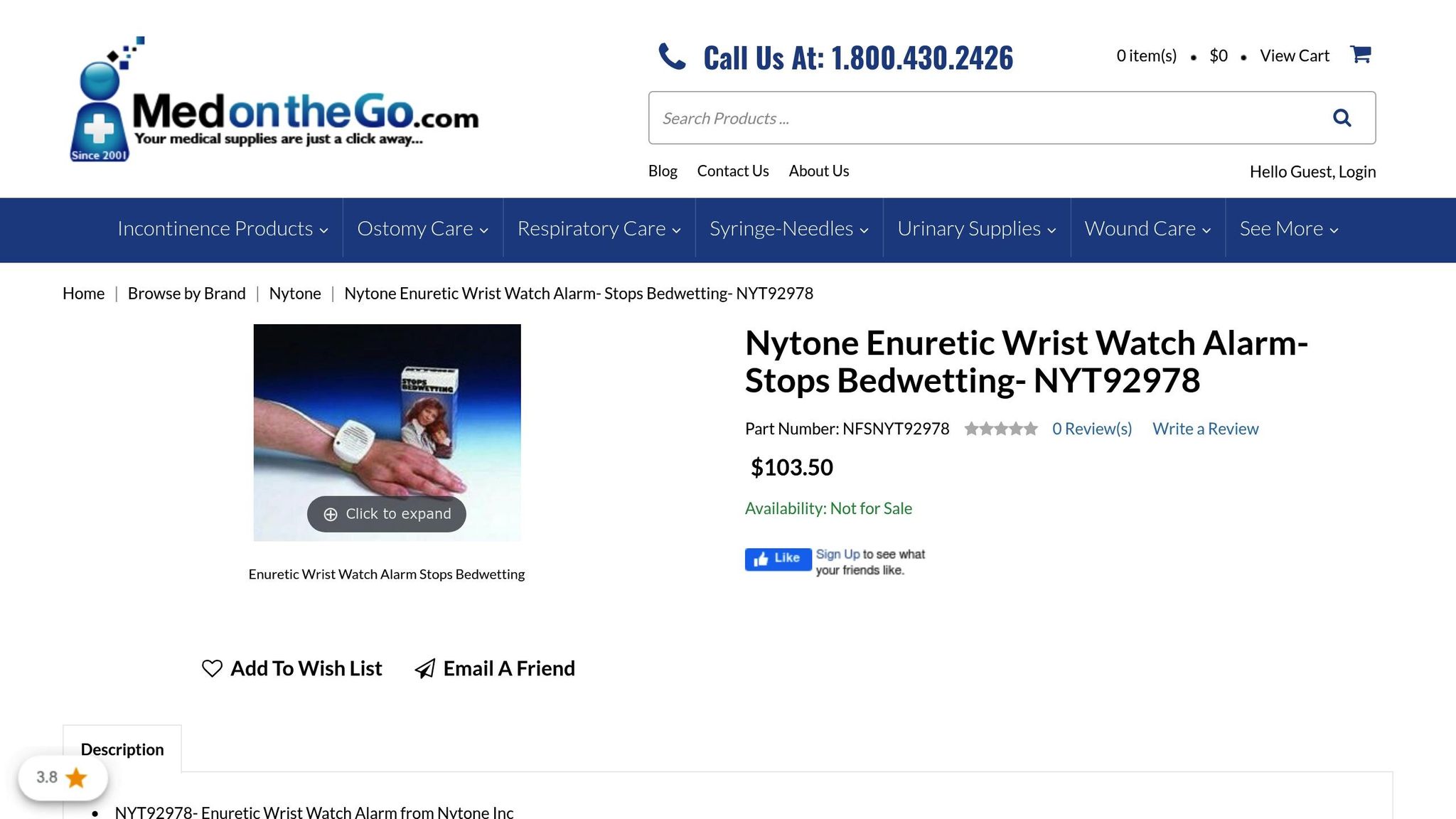
The Nytone Bedwetting Alarm for Kids offers a fresh take on bedwetting alarms with its armband design, steering away from the traditional clip-on models that attach to pajamas or underwear. Priced at around $80 and backed by a 1-year warranty, it sits comfortably between budget-friendly options like DryEasy ($28) and high-end systems like TheraPee ($300) [4]. Its lightweight design aims to reduce discomfort by keeping the main unit on the child’s arm, rather than near the waist or chest, where traditional alarms might irritate sensitive children.
This device features customizable alerts, including sounds, vibrations, and lights, allowing families to tailor the settings to their child’s needs [4]. It also includes stabilizing clips to keep the sensor in place and a low-battery alert to avoid disruptions during the night.
Customizability Features
The Nytone’s armband design isn’t just about comfort - it’s part of its broader focus on customization. Families can adjust sound patterns, vibration levels, and light signals to find the combination that works best for their child [4]. This flexibility is essential since children respond differently to various types of stimulation. Some may wake to sound alone, while others might need the added physical prompt of vibration or a visual cue.
A review of 250 Amazon ratings for bedwetting alarms revealed that many users specifically desire more options for alarm tones and volumes, as well as improved ease of use [5]. Nytone’s customizable features address these needs, and its unique armband placement adds an extra layer of comfort for children who are sensitive to pressure near their core.
To find the ideal settings, parents can test different alert combinations during the day. This lets the child experience the alerts in a stress-free environment, making it easier to identify the most effective setup before bedtime.
Effectiveness for Deep Sleepers
Deep sleepers often pose a challenge for bedwetting alarms, and the Nytone’s success with this group is somewhat mixed. While it combines sound and vibration to provide multi-sensory stimulation, it’s not specifically marketed as the top choice for very deep sleepers [4]. Alarms designed for this purpose typically feature additional tones, cycling patterns, and stronger vibrations.
For children who are moderate sleepers, the Nytone’s customizable alerts can still be effective, especially when set to their highest intensity. Using both sound and vibration together often delivers a stronger wake-up signal than either alone. Placing the armband where both the child and a caregiver can hear or see the alarm may also improve its effectiveness, as parents can assist in waking the child and guiding them to the bathroom.
It’s worth noting that even with the right alarm, deep sleepers may initially need parental help to wake up. Caregivers should be ready to assist until the child develops the habit of responding to the alarm independently.
Ease of Use for Children
The Nytone is designed to strike a balance between functionality and comfort. Unlike traditional alarms with cords running to a clip on the pajama collar, Nytone’s armband eliminates tangling issues. Setup is straightforward: the child wears the armband, and the moisture sensor attaches to their underwear.
For younger children, especially those aged 5 to 10, caregivers will need to manage the setup process initially. Demonstrating how the armband works and letting the child hear the alert sound during the day can help them feel more comfortable with the routine.
However, the armband design may not be ideal for very active sleepers. Restless children can inadvertently shift the band during the night, potentially affecting the sensor’s ability to detect moisture promptly [4]. Ensuring the band is snug but not too tight - and positioned consistently - can help mitigate this issue. Additionally, reviews of bedwetting alarms indicate that cords, armbands, and sensor pads often receive more negative feedback from girls and their caregivers, underlining the importance of monitoring fit and comfort [5].
For older children, learning to manage the device independently - attaching the sensor, resetting the alarm, and setting it up each night - can boost their confidence and sense of responsibility.
Cost and Value
At approximately $80, the Nytone is a mid-range option among bedwetting alarms. Its value lies in its customizable alerts, armband design, and stabilizing clips. For families who have struggled with cheaper alarms that are uncomfortable or unreliable, Nytone’s thoughtful design may justify the additional cost. The included 1-year warranty offers added reassurance, especially since most bedwetting alarm training takes about three months to show results [7]. This means the device can be used beyond the initial training period or even passed down to younger siblings.
Durability is another consideration. A review of 250 Amazon ratings highlighted concerns about reliability and comfort [5]. While Nytone’s armband design addresses some comfort issues, its tendency to shift on restless sleepers remains a potential drawback.
When used correctly over time, bedwetting alarms have shown success rates of 70–90% [6]. Considering the ongoing costs of managing bedwetting - like disposable pull-ups, extra laundry, and mattress replacements - an $80 investment in a reliable alarm can save money in the long run.
sbb-itb-45288fe
6. DryEasy Bedwetting Alarm
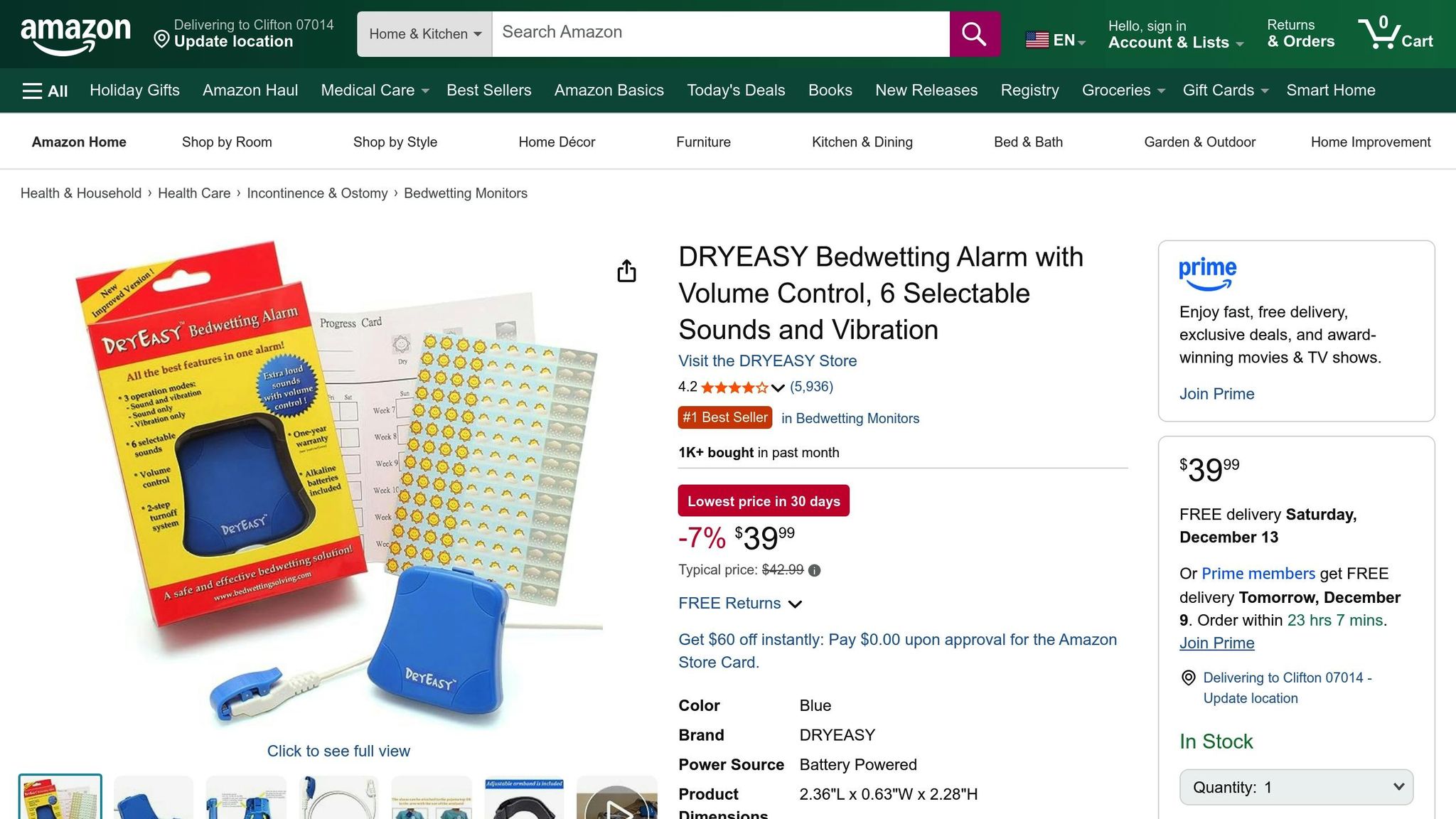
The DryEasy Bedwetting Alarm stands out as a budget-friendly option at just $28, complete with a one-year warranty [4]. For families exploring alarm-based training, this price point makes it an accessible alternative to premium systems that can cost upwards of $100.
This device features a practical, wearable design. A clip-on moisture sensor attaches to the child’s underwear, while the alarm unit clips near the shoulder or collar area. It offers six distinct alarm sounds, vibration settings, and three alert modes: sound only, vibration only, or a combination of both [2]. Additional features include low-battery alerts and stabilizing clips to keep the sensor in place [4]. However, some users have reported issues like short battery life and difficulty securing the sensor clip [4]. These challenges reflect common concerns with bedwetting alarms, including durability, comfort, and alarm accuracy [5].
Customization Options
DryEasy offers flexibility with its six sound options and four volume levels, allowing families to experiment with what works best for their child [2]. The adjustable tones accommodate different sensitivities, while the three alert modes - sound only, vibration only, or a combination - let caregivers fine-tune the intensity. Many families start with the combined mode for a stronger wake-up signal during the early stages of training, gradually adjusting as the child adapts. Testing the alarm sounds during the day can help familiarize the child with its alerts. While premium alarms may offer more tones and complex alert patterns, DryEasy delivers a straightforward yet effective approach [2].
Effectiveness for Deep Sleepers
For children who are deep sleepers, waking up can be particularly challenging. DryEasy addresses this with its multi-sensory alerts, combining sound, vibration, and adjustable volume. Setting the alarm to its highest volume and using vibration together often provides the best results [2]. Proper placement is key - clipping the alarm unit close to the child’s ear, such as on the neckline of pajamas, ensures the sound isn’t muffled. During the first few weeks, parents may need to assist by guiding the child to the bathroom when the alarm goes off, reinforcing the connection between the alarm and waking up [3].
The device also includes a two-step shut-off feature, requiring the child to interact with the unit to silence the alarm. This added step, while slightly inconvenient for some families, is favored by behavioral specialists as it ensures the child is fully awake [4][5]. Even with these features, some deep sleepers may need additional parental support initially.
Child-Friendly Design
DryEasy is designed with school-age children in mind and is simple to use [2]. Setup involves clipping the moisture sensor to snug-fitting underwear, running the cord under a pajama top, and attaching the alarm unit near the shoulder. The controls allow for easy selection of tones, volume adjustments, and alert modes. Younger children may require help with setup and resetting the alarm until they become familiar with the process. Over time, older children can take on more responsibility.
The clip-on moisture sensor is designed to detect wetness early, triggering the alarm before a full accident occurs. However, some users have noted that the clip can be tricky to secure. For best results, use snug cotton underwear to keep the sensor in place - loose or silky fabrics may cause slipping. Positioning also matters: place the sensor at the front for boys and slightly lower and centered for girls [2][4][5]. Pairing the alarm with protective bedding can make cleanup easier and more manageable.
Affordability and Value
Priced at approximately $28, DryEasy offers an affordable entry point into bedwetting alarm training [4]. For families hesitant to commit to pricier systems, this device provides a solid range of features at a low cost. Since success with bedwetting alarms often requires consistent use over weeks or months, the initial investment is just one part of the equation. Families should also factor in ongoing costs like extra laundry or protective bedding. Monitoring battery life and keeping spare batteries on hand can help avoid interruptions in training [4].
The alarm’s durability also makes it a potential hand-me-down for younger siblings. Considering that bedwetting alarms have success rates of 70–90% when used consistently [6], the $28 price tag could lead to significant long-term savings compared to disposable products and frequent bedding replacements.
7. Shibeier Bedwetting Alarm
The Shibeier Bedwetting Alarm is one of the most budget-friendly options on the market, with a price tag of around $22 [4]. This clip-on, wearable device is promoted as being clinically tested by urologists and comes with some thoughtful extras, including additional batteries and a sticker reward chart to encourage kids and track their progress. However, some caregivers have raised concerns about its reliability.
Cost and Value
When it comes to price, Shibeier stands out as a low-cost alternative among pricier models. At $22, it’s significantly cheaper than options like DryEasy ($28), Nytone ($80), and TheraPee ($300) [4]. For families on a budget or those looking for a backup solution, it’s an appealing choice.
Even a basic alarm like Shibeier can help reduce the costs of pull-ups or diapers over time. However, it’s worth considering potential extra costs, such as replacing sensors. To make nighttime cleanup easier, pairing the alarm with disposable multi-layer waterproof bedding (like PeelAways) can be a practical addition.
That said, affordability isn’t everything. Nearly 50% of families reportedly stopped using the Shibeier alarm early due to reliability concerns [5]. While it’s a good starting point for those trying to manage bedwetting on a tight budget, keeping an eye on its performance and being ready to switch to a more dependable model if needed can make a big difference in achieving success.
Pros and Cons
When choosing a bedwetting alarm, it's essential to weigh factors like comfort, usability, cost, and effectiveness to find the right fit for your needs.
Comparing the Seven Alarms
Each alarm has its own set of strengths and weaknesses:
- TheraPee: This alarm stands out with its interactive program and comfortable pad design. However, it’s the priciest option at around $300, and it requires internet access to function.
- Chummie Premium: Offers eight tones, adjustable volume, vibration, and light alerts, making it effective for deep sleepers. On the downside, its wired sensor can feel awkward, and the settings might overwhelm parents looking for simplicity.
- Malem Ultimate: Known for its compact, lightweight design and strong multi-sensory alerts, this FDA-registered alarm can sometimes trigger false alarms due to high sensitivity. Attaching the sensor can also be tricky.
- DryBuddy Flex3: A wireless option with a 200-foot range, optional bed shaker, and remote control. While convenient, it costs around $125 and involves a more complex setup, which might be challenging for less tech-savvy users.
- Nytone: This armband-style alarm is comfortable and affordable at around $80, with customizable sound, vibration, and light options. However, it lacks advanced features and may not be loud enough for deep sleepers.
- DryEasy: A budget-friendly choice at around $28, featuring six sounds and four volume levels. While affordable, it has a short battery life and durability issues.
- Shibeier: The most affordable option at around $22, offering extra batteries and a reward chart. However, reliability concerns have led nearly half of users to stop using it early.
Here’s a quick summary of the key trade-offs for each model:
Quick Comparison Table
| Alarm | Key Strengths | Main Weaknesses | Price |
|---|---|---|---|
| TheraPee | Interactive program; comfortable pad design | High cost; requires internet; rubber mat complaints | ~$300 |
| Chummie Premium | 8 tones; vibration and light alerts | Wired sensor; steeper learning curve | ~$100 |
| Malem Ultimate | Compact and lightweight; strong multi-sensory alerts | Overly sensitive; sensor attachment issues | ~$100 |
| DryBuddy Flex3 | Wireless; 200-ft range; optional bed shaker | Higher price; complex setup | ~$125 |
| Nytone | Comfortable armband; customizable alerts | Limited volume; may shift during sleep | ~$80 |
| DryEasy | Affordable; early detection | Battery life and durability concerns | ~$28 |
| Shibeier | Extremely low-cost; includes extras | Reliability issues; high discontinuation rate | ~$22 |
What Research Says About Alarm Performance
User reviews reveal consistent trends across different alarms. Effectiveness is often rated positively, with a 16.8% favorable score in an analysis of 250 Amazon reviews. However, durability (-23.6%), alarm accuracy (-20.0%), and comfort (-12.4%) received lower ratings [5]. Devices with cords, armbands, or sensor pads tended to score lower in comfort and ease of use, particularly among girls. Simpler designs were generally preferred.
In one study, nearly half of participants discontinued using bedwetting alarms before completing treatment. Discomfort, failure to wake the child, perceived lack of effectiveness, and false alarms were the primary reasons cited.
Customization Features That Matter Most
Customization plays a big role in how well an alarm works. Features like multiple tones, adjustable volume, vibration modes, and visual cues (such as lights) allow caregivers to tailor the alarm to a child’s needs. For deep sleepers, alarms that cycle through sounds or combine loud audio with strong vibration and flashing lights tend to work best. Research suggests low-frequency and voice tones can be especially effective for overcoming sleep inertia in some children [5].
Some alarms even let you record a personalized message, which can motivate kids further. However, this feature is less critical compared to reliable detection and effective waking mechanisms.
Balancing Cost and Features
Premium alarms like TheraPee, Chummie Premium, and DryBuddy Flex3 come with higher price tags but offer advanced features, customization, and support. These options are especially helpful for families dealing with chronic bedwetting or older children who are deep sleepers. On the other hand, budget-friendly options like DryEasy and Shibeier provide basic functionality at lower prices. While these may work for families just starting treatment or on a tight budget, they often lack the durability and advanced features needed for consistent results.
Experts stress the importance of customization in maintaining a child’s responsiveness. Adjusting tones, volume, and vibration settings over time can improve the alarm’s effectiveness. Striking the right balance between advanced features, cost, and ease of use is key to managing bedwetting successfully.
When to Pair a Customizable Alarm with Protective Bedding
Bedwetting alarms are proven to be effective training tools, with success rates ranging from 70–90% when used consistently [6]. However, because the alarm typically activates only after an accident has occurred, children may still experience wet nights for several weeks as their brain and bladder adjust to communicating during sleep. This makes it essential for caregivers to have a plan in place to manage nighttime cleanup efficiently. Incorporating protective bedding into the training process can make this transition smoother and less stressful.
Using protective bedding alongside a customizable alarm simplifies the training process by significantly cutting down the time and effort required for cleanup. Traditional cleanup often involves extensive laundering and remaking of the bed, adding to the caregiver's workload. Protective bedding helps alleviate this burden, making it easier to maintain consistent alarm use and focus on the training.
When Protective Bedding Matters Most
Protective bedding is especially helpful during the early stages of alarm training when accidents are more frequent. Since the alarm triggers only after the sheets are wet [2], caregivers may face multiple bedding changes in a single night. This can be particularly overwhelming for families of deep sleepers, who may fully empty their bladder before waking. In such cases, high-capacity absorbent bedding becomes essential [8].
For families without easy access to in-unit laundry, the reduced cleanup effort is a game-changer. Having protective bedding in place ensures that even when accidents happen, the disruption to sleep and daily routines is minimized.
How Multi-Layer Disposable Sheets Work with Alarms
Disposable, multi-layer protective sheets like PeelAways are a practical solution that works seamlessly with customizable alarms. These sheets are designed with 5–7 absorbent and waterproof layers, fitted like a regular sheet. After an accident, the caregiver can simply peel away the top layer to reveal a clean, dry surface underneath. This eliminates the need for stripping the entire bed or lifting the mattress, dramatically cutting cleanup time - often to under a minute [1].
These sheets also prevent liquid from seeping into the mattress, which helps maintain hygiene, reduces odors, and eliminates the need for deep cleaning. Their discreet design allows children to participate in their own care, fostering independence and preserving dignity during the training process.
Matching Alarm Features to Protective Bedding
Protective bedding becomes even more effective when paired with advanced alarm features. Alarms with multiple tones, adjustable volume, and vibration settings work particularly well with quick-change bedding. Many alarms offer 6–8 sound options and adjustable volume levels to cater to the child’s sensitivity and the room’s layout. Wireless systems with a receiver allow caregivers to respond promptly, ensuring a quick reset of the bed.
Practical Setup for Minimal Disruption
A thoughtful bedding setup can further reduce nighttime disruptions. Start by placing the multi-layer disposable sheet directly on the mattress, ensuring a snug fit. Keep spare pajamas, underwear, and wipes within easy reach, and use dim nightlights to maintain a calm environment. This streamlined approach not only simplifies cleanup but also helps establish a positive and manageable routine for the child.
For households dealing with frequent incidents, some caregivers use a double-layer setup: a waterproof or multi-layer sheet under a thin absorbent layer, topped with a regular sheet. This arrangement allows the soiled top layer to be quickly removed, so the child can return to a dry, comfortable bed in no time.
Supporting the Child's Emotional Well-Being
A quick and stress-free cleanup process is crucial for maintaining a child’s self-esteem. By managing accidents swiftly, caregivers can prevent the situation from escalating into a major disruption. Framing protective bedding as a simple and practical tool reinforces the idea that alarm training is a positive and manageable experience, rather than something to be embarrassed about.
Special Considerations for Different Age Groups
Protective bedding is not just about efficiency; it also addresses the unique needs of different age groups. For older children and teens, who may produce larger urine volumes and feel more self-conscious about accidents, pairing alarms with protective bedding can be especially beneficial. Similarly, children with developmental or physical disabilities - who may need extra time to reach the bathroom - benefit from reduced physical demands on caregivers and better skin protection.
In adult or elder care settings, where mobility issues or fall risks are a concern, combining alarm systems with disposable bedding streamlines nighttime routines and reduces the risk of cross-contamination.
Balancing Cost and Convenience
When evaluating protective bedding options, it’s important to weigh the upfront cost against the savings in time and effort. If alarm training results in several wet nights per week over an 8–12 week period, the cumulative laundry costs and physical strain often outweigh the expense of disposable multi-layer sheets. These sheets offer a practical solution that simplifies the process and saves resources in the long run.
Conclusion
Finding the right bedwetting alarm means aligning its features with your household's needs, budget, and your child's sleep habits. There's no universal solution - what works best is the alarm your child can consistently use for about three months [7].
For deep sleepers, alarms like the Malem Ultimate and Chummie Premium - priced around $100 - stand out. These models offer multi-sensory alerts, such as strong vibrations, loud sounds, and light cues, which help prevent the brain from tuning out repetitive noises.
If you're testing the waters with alarm therapy and want a more affordable option, devices like DryEasy (~$28) or Shibeier (~$22) might be a good starting point. However, reviews suggest these lower-cost models may have issues with durability and sensor reliability, so an upgrade might be necessary if they prove effective.
For families looking for more structured support, TheraPee offers a comprehensive solution. Its pad-based system avoids the discomfort of clips, and the included coaching program provides personalized guidance. With a price range of $300–$500, it’s the most expensive option, but the added behavioral support may make it worthwhile for those seeking a guided approach.
Teens and older kids often prefer discreet, wireless options like the DryBuddy Flex3, while children with sensory sensitivities might benefit from pad-based systems like TheraPee, which minimize discomfort.
A 2023 review of Amazon feedback highlighted that while users rate alarm effectiveness highly, concerns about comfort, durability, and accuracy are common. Simpler designs with easy-to-use features tend to receive the most praise [5].
Consistency is the cornerstone of success. Research shows that when used correctly, bedwetting alarms lead to significant improvement or resolution in 70–90% of cases. However, many families stop early due to issues like discomfort, false alarms, or slow progress [7]. To maximize effectiveness, use the alarm nightly, ensure your child fully wakes when it activates, and support them with timely bathroom trips and quick bedding changes.
Setting up for success from the start can make the process smoother. Pair the alarm with protective bedding to minimize disruptions. Waterproof mattress protectors or disposable, multi-layer sheets like PeelAways - offering 5–7 peel-away layers - can save time and protect your mattress. Simply peel away a soiled layer to reveal a clean one, eliminating the need for late-night laundry.
When choosing an alarm, consider your child's age, motivation, sleep depth, and sensory preferences. Compare features like sound variety, vibration strength, and wireless options. Stick to a consistent pre-bed routine and follow setup instructions carefully.
If, after several weeks of consistent use, your child shows no progress or becomes distressed, consult a pediatrician or pediatric urologist. They can check for underlying conditions, reassess readiness, or recommend alternative treatments. With the right alarm, a supportive setup, and realistic expectations, most families can successfully help their child achieve dry nights.
FAQs
What should I consider when selecting a bedwetting alarm for my child?
When selecting a bedwetting alarm, consider factors like your child’s age, sleep habits, and how easily they respond to sound. Opt for an alarm that offers adjustable volume and tone settings, allowing you to tailor it to their specific needs. Also, prioritize comfort - choose a device that’s simple to use and won’t disturb their sleep more than necessary.
You’ll want an alarm that effectively wakes your child while keeping stress to a minimum. To make nighttime cleanups easier, try Peelaways disposable, multi-layer bed sheets. These sheets simplify the process of keeping the bed dry - no mattress lifting or laundry required.
How can protective bedding make bedwetting alarm training easier?
Protective bedding, like Peelaways, makes bedwetting alarm training much easier by keeping the mattress safe from accidents. With its multi-layer, disposable design, cleanup is a breeze - simply peel off the soiled layer to uncover a clean one beneath.
This design not only cuts down on cleanup time but also ensures a cleaner, less stressful experience for both caregivers and families during the training process.
What types of bedwetting alarms work best for deep sleepers or children with sensory sensitivities?
When selecting a bedwetting alarm for deep sleepers or children with sensory sensitivities, having adjustable features can make a big difference. Many alarms let you tweak settings like sound, vibration, and light intensity to better match individual needs. For deep sleepers, opting for alarms with stronger vibrations or louder tones can help ensure they wake up. On the other hand, for children with sensory sensitivities, gentler vibrations or softer tones can provide an effective solution without overwhelming them.
To make managing nighttime accidents easier, consider combining a bedwetting alarm with practical tools like Peelaways disposable bed sheets. These multi-layer sheets allow caregivers to simply peel away a soiled layer, revealing a fresh, clean one underneath. It’s a quick and convenient way to maintain hygiene while saving time and effort.
Related Blog Posts
Comments
0



SAVE MONEY & WATER
Professionals & Institutions save a fortune on labor/laundry.

SUPERIOR COMFORT
The first thing our customers notice is how soft our sheets are.

100% WATERPROOF
Each layer is 100% Waterproof, perfect for spills and accidents

SAVE TIME
Change the sheet in under 1 minute without stripping the bed.

Leave a comment