
Best Bedding for Pressure Ulcer Prevention

Pressure ulcers, or bedsores, can cause serious discomfort and health risks, especially for those with limited mobility or chronic conditions. The right bedding can help prevent these injuries by reducing pressure, managing moisture, and minimizing friction. Here's what you need to know:
- Moisture-Wicking Materials: Bedding that keeps skin dry, like DermaTherapy sheets, can reduce ulcer risk by up to 62%. Products like PeelAways disposable sheets offer waterproof yet breathable solutions for incontinence care.
- Pressure Redistribution: Options like medical-grade foam mattresses and alternating pressure mattresses help spread weight evenly, reducing pressure on vulnerable areas.
- Ease of Use: PeelAways sheets simplify cleanup with a peel-away layer system, while other bedding options focus on durability and comfort.
Quick Overview of Bedding Options:
- Disposable Sheets: Easy cleanup, great for incontinence.
- Foam Mattresses: Proven to reduce pressure ulcers by 60%.
- Alternating Pressure Mattresses: Best for high-risk individuals.
- Gel-Infused Bedding: Helps with cooling and pressure relief.
Selecting the right bedding, combined with regular repositioning and proper care, can make a big difference in preventing pressure ulcers. Read on for a detailed breakdown of the best products and practices.
𝗣𝗿𝗲𝘀𝘀𝘂𝗿𝗲 𝗜𝗻𝗷𝘂𝗿𝘆 𝗣𝗿𝗲𝘃𝗲𝗻𝘁𝗶𝗼𝗻: 𝗧𝗵𝗲 𝗩𝗶𝘁𝗮𝗹 𝗥𝗼𝗹𝗲 𝗼𝗳 𝗣𝗿𝗲𝘀𝘀𝘂𝗿𝗲 𝗖𝗮𝗿𝗲 𝗠𝗮𝘁𝘁𝗿𝗲𝘀𝘀𝗲𝘀
Key Features to Look for in Pressure Ulcer Prevention Bedding
When it comes to preventing pressure ulcers, the right bedding can make a world of difference. By focusing on three essential features, caregivers and families can select bedding that promotes both skin health and comfort.
Moisture-Wicking and Breathable Materials
Managing moisture is crucial for maintaining healthy skin. Prolonged exposure to damp conditions softens the skin, making it fragile and prone to breakdown - a condition known as maceration that significantly raises the risk of ulcers.
Specialized anti-microbial sheets designed to wick away moisture have shown impressive results. For example, DermaTherapy linens reduced bedsores by an incredible 62% compared to traditional cotton-blend sheets [1]. This underscores how advanced fabrics can act as a barrier against skin damage.
For individuals dealing with incontinence, breathable materials are even more critical. PeelAways disposable sheets feature a breathable membrane that blocks liquids but still allows airflow, keeping the bed dry [4]. This combination of waterproofing and breathability helps prevent the moisture buildup that can lead to irritation and skin breakdown.
The National Pressure Ulcer Advisory Panel recommends smooth, silk-like fabrics over traditional cotton or cotton blends. These materials not only reduce friction but also retain essential moisture-wicking properties, ensuring better skin protection [1].
But moisture control is just one piece of the puzzle. Bedding must also address pressure redistribution and friction reduction to provide comprehensive protection.
Pressure Redistribution and Low Friction Surfaces
Pressure ulcers often develop due to prolonged pressure that limits blood flow to certain areas. Bedding that redistributes pressure can significantly lower this risk. For instance, higher-specification foam mattresses have been shown to reduce the likelihood of pressure ulcers by 60% compared to standard hospital foam mattresses (RR 0.40, 95% CI 0.21 to 0.74) [3].
Another effective option is medical-grade sheepskin, like the Pressure Smart XD1900. Its natural fibers cushion the body, spreading weight evenly across a larger area. At the same time, the smooth surface minimizes friction and reduces the risk of skin shear during movement [6].
For more advanced solutions, alternating pressure air surfaces and reactive gel pads actively redistribute pressure by inflating and deflating different sections throughout the night. This dynamic approach ensures no single area remains under constant pressure, allowing blood flow to return to compressed tissues [5].
Interestingly, adding too many layers of bedding can actually create pressure hotspots, worsening skin injuries [2]. This highlights the importance of selecting bedding specifically designed for pressure relief rather than simply layering up.
Finally, ease of use is a critical factor. Bedding that simplifies care can make a big difference in both prevention and day-to-day management.
Ease of Use and Maintenance
Practicality is key when it comes to pressure ulcer prevention. Bedding that's hard to change or maintain can lead to delays in care, increasing the risk of infection and skin damage.
PeelAways sheets offer a clever solution. Their design allows caregivers to clean up in under a minute. The 100% waterproof sheets protect mattresses from spills, and when an accident happens, you simply peel away the top layer to reveal a fresh, clean surface [4].
"These sheets have simplified care for families managing incontinence, reducing laundry loads and stress."
For individuals capable of some self-care, easy-to-use bedding can restore a sense of independence and dignity. One caregiver shared how these sheets transformed their routine:
"When he has an accident he now can take care of it himself and put a new top sheet on his bed. No more scrubbing, no more smell, and no more embarrassment." - Ronda [4]
This convenience doesn’t just benefit patients - it’s a game-changer for caregivers too. Simplified bedding maintenance reduces stress, freeing up valuable time for direct care and improving outcomes for everyone involved.
Top Bedding Options for Pressure Ulcer Prevention
Here are some standout bedding solutions designed to help with pressure ulcer relief and prevention, based on the features discussed earlier.
PeelAways Disposable, Waterproof Bed Sheets
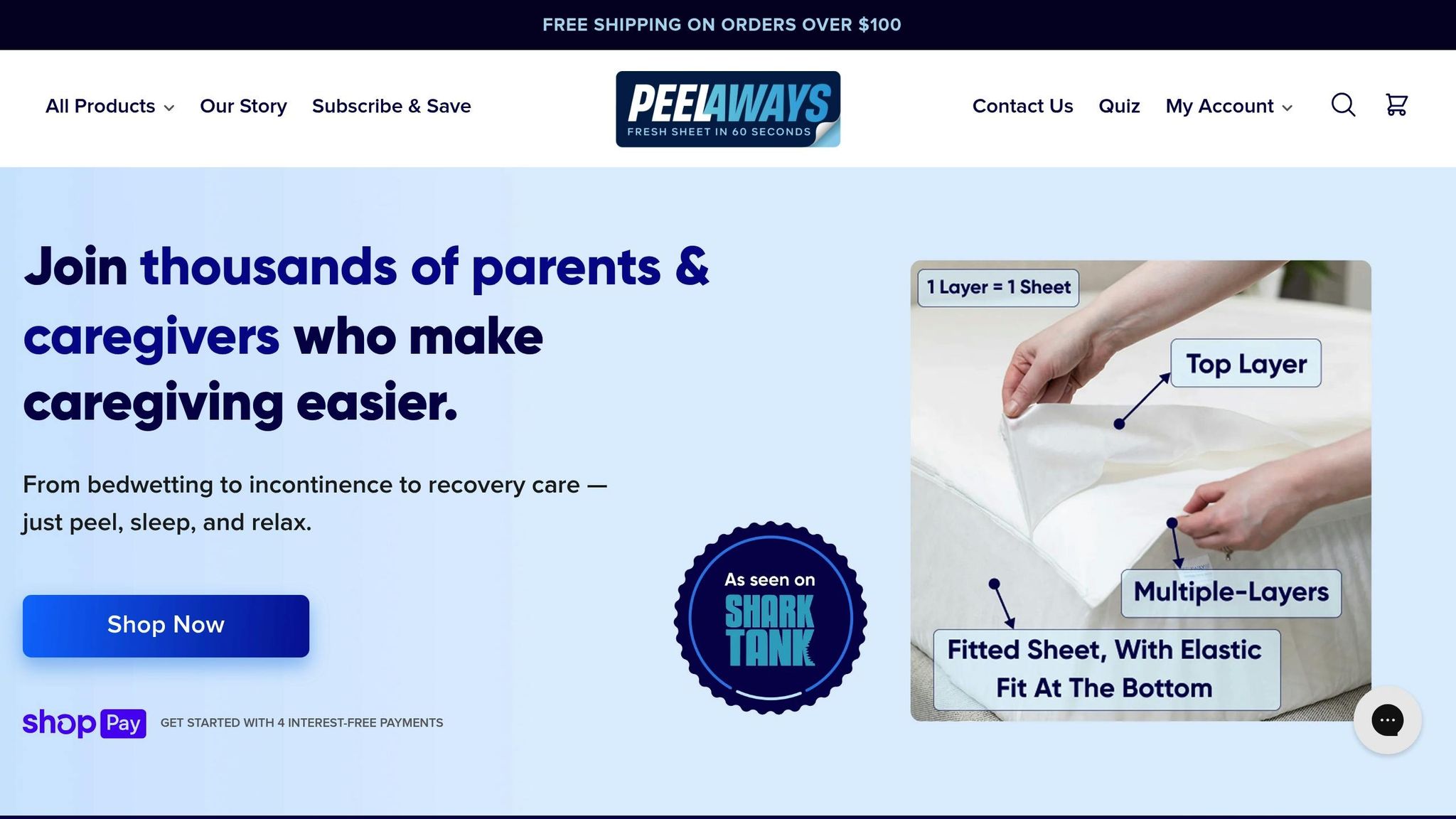
PeelAways disposable sheets come with a patented multi-layer design, offering 5 to 7 absorbent layers. Their peel-away system allows you to reveal a fresh surface in under a minute, without the hassle of lifting the mattress. This design not only simplifies cleanup but also reduces the risk of cross-contamination. The sheets feature a breathable barrier that blocks liquids while maintaining airflow, ensuring the skin stays dry. Plus, they are free of chemicals like vinyl, PVC, phthalates, or fire retardants, making them a safe choice for individuals at risk of pressure ulcers. Sizes range from Crib-A-Peel ($30.99) to King ($53.99).
Customer Jalene Stanger shared her experience caring for two incontinent teenagers:
"They hold a LOT of liquid and are easy to use and tear away. No more 15 loads of laundry and wet mattresses!"
Pressure Smart XD1900 Bedding
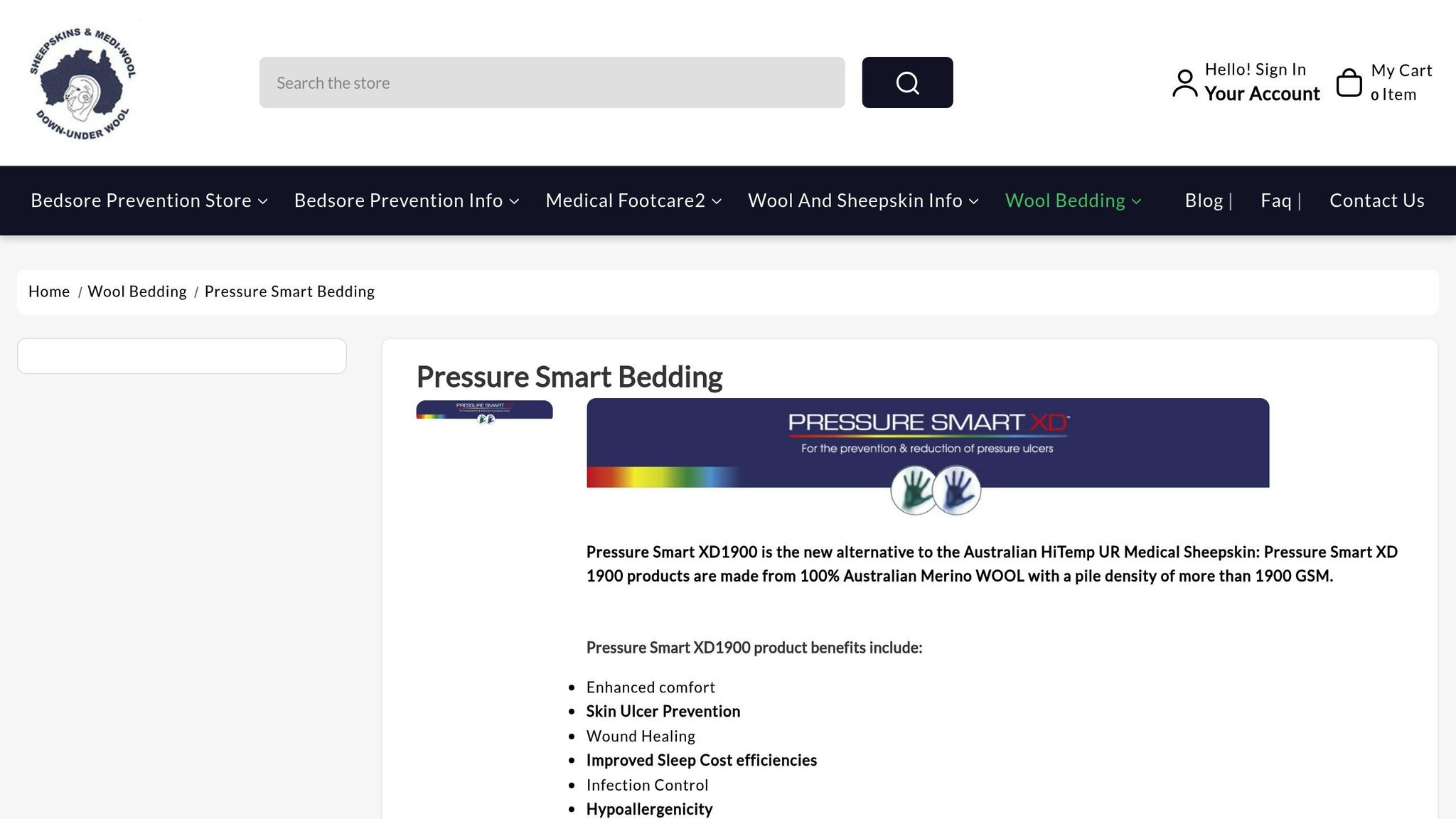
The Pressure Smart XD1900 system offers dynamic pressure relief by continuously monitoring and adjusting to pressure points. Its moisture-wicking fabrics and low-friction surfaces help maintain a healthy skin environment, making it an excellent choice for individuals with limited mobility. Prices range from $200 to $500, making it a mid-range option for those seeking advanced technology in pressure relief.
Medical-Grade Foam Mattresses
Medical-grade foam mattresses use high-density, open-cell foam that conforms to body contours and evenly distributes weight. Studies show these mattresses can lower the risk of pressure ulcers by 60% compared to standard hospital foam mattresses (RR 0.40, 95% CI 0.21 to 0.74) [3]. The open-cell structure improves airflow, while the dense foam provides consistent support, making it a reliable choice for long-term use. Prices typically fall between $100 and $500, with most standard sizes costing $200 to $300.
Alternating Pressure Mattresses
Alternating pressure mattresses use air cells that inflate and deflate in cycles, ensuring no single area is under constant pressure. This promotes better blood flow and is particularly effective for high-risk individuals, such as those with spinal cord injuries or severe mobility issues. Widely used in healthcare settings, these mattresses range in price from $500 to over $2,000. While the upfront cost can be high, the potential savings from preventing pressure ulcers often make it a worthwhile investment.
Gel-Infused and Visco Foam Bedding
Gel-infused and visco foam bedding combines the contouring benefits of memory foam with the cooling effects of gel technology. The gel helps dissipate heat and moisture, keeping the skin comfortable, while the visco foam distributes weight evenly to reduce pressure points. This type of bedding is especially helpful for individuals who need extended bed rest. Prices range from $150 to $800, with many quality options available between $200 and $400.
Below is a quick comparison of these options:
| Product Type | Price Range | Key Advantage | Best For |
|---|---|---|---|
| PeelAways Disposable Sheets | $30.99 – $53.99 | Easy cleanup and moisture control | Incontinence, elder care |
| Pressure Smart XD1900 | $200 – $500 | Dynamic pressure adjustment | Tech-savvy caregivers |
| Medical-Grade Foam Mattress | $100 – $500 | 60% reduction in pressure ulcers | Long-term use |
| Alternating Pressure Mattress | $500 – $2,000+ | Maximum pressure relief | High-risk patients |
| Gel-Infused/Visco Foam Bedding | $150 – $800 | Cooling comfort and pressure relief | Prolonged bed rest |
sbb-itb-45288fe
Comparison of Bedding Options
When evaluating bedding options, it's essential to consider factors like moisture control, pressure relief, ease of use, maintenance, and cost. Here's a closer look at how different options stack up.
Moisture management plays a key role in bedding performance. PeelAways stands out with its multi-layer disposable design, offering a waterproof barrier that's particularly effective for incontinence care. Medical-grade foam provides moderate moisture control, while alternating pressure mattresses focus more on dynamic pressure relief than moisture handling.
Pressure redistribution is another critical factor. Alternating pressure mattresses excel here, using shifting air cells to relieve pressure dynamically - ideal for patients at high risk of pressure ulcers. Medical-grade foam mattresses are also highly effective, reducing pressure ulcer incidence by 60% compared to standard hospital mattresses (RR 0.40, 95% CI 0.21 to 0.74) [3]. While PeelAways doesn’t contribute directly to pressure relief, it can complement pressure-relieving mattresses.
When it comes to ease of use, PeelAways offers unmatched simplicity - just peel off and dispose of the used layer, eliminating the need for laundering. In contrast, foam, gel-infused, and alternating pressure mattresses require regular cleaning or maintenance, with some needing technical checks to ensure proper function.
Cost considerations vary significantly. Disposable options like PeelAways involve recurring expenses, priced between $30.99 and $53.99 per pack, which can reduce laundry costs and save time. Durable options like medical-grade foam mattresses typically cost $300 to $800 upfront, while alternating pressure mattresses range from $200 to over $1,000. Gel-infused or visco foam mattresses fall within a similar price range to foam options.
Clinical effectiveness is a key differentiator. Medical-grade foam mattresses are backed by strong evidence for reducing pressure ulcers and are ideal for long-term care. Alternating pressure mattresses are recommended for immobile or very high-risk patients [7]. PeelAways, while not directly addressing pressure ulcers, offers superior hygiene and infection control benefits.
Here’s a quick comparison of the key features:
| Feature | PeelAways | Medical-Grade Foam | Alternating Pressure | Gel-Infused/Visco Foam |
|---|---|---|---|---|
| Pressure Relief | Minimal | Excellent | Superior | Excellent |
| Moisture Control | Excellent | Good | Moderate | Good |
| Ease of Use | Superior | Good | Moderate | Good |
| Maintenance | None (disposable) | Low | Moderate | Low |
| Initial Cost | $30.99–$53.99 | $300–$800 | $200–$1,000+ | $200–$800 |
| Best For | Incontinence, frequent changes | Long-term care | High-risk patients | Temperature regulation |
| Clinical Evidence | Infection control | 60% ulcer reduction | Clinical support | Comfort enhancement |
PeelAways offers a hygienic, hassle-free solution for situations requiring frequent bedding changes, such as incontinence care. Medical-grade foam mattresses are a solid choice for reducing pressure ulcers in long-term care environments, while alternating pressure systems provide advanced therapeutic relief for high-risk patients. For those prioritizing comfort and temperature regulation, gel-infused or visco foam mattresses may be the best fit.
Ultimately, the right choice depends on your specific needs and care setting. Each option brings distinct advantages tailored to different priorities.
Best Practices for Pressure Ulcer Prevention
Choosing the right bedding is just the first step in protecting the skin. To truly prevent pressure ulcers, how you use and care for that bedding is just as important. A consistent routine that focuses on skin health, cleanliness, and managing pressure effectively can make a significant difference.
Proper Bedding Use and Maintenance
- Keep bedding smooth and wrinkle-free: Even minor creases in sheets can create pressure points that increase the risk of ulcers. Regularly check for wrinkles or bunched-up areas, especially around sensitive spots like heels, hips, and shoulders, and smooth them out.
- Change soiled bedding immediately: For disposable options like PeelAways sheets, simply peel off the top layer when needed. This quick process, which takes under a minute, minimizes disruption to the patient.
- Use a fitted sheet directly on the mattress: This helps maintain the mattress's pressure-relieving properties without interference from extra layers.
- Secure bedding to prevent slipping: Loose sheets can lead to friction and uneven surfaces that may harm the skin. Using sheet straps can help keep fitted sheets in place, ensuring a smooth surface.
- Inspect skin regularly during bedding changes: Check for redness, persistent moisture, or signs of breakdown, especially at pressure points like the back of the head, shoulder blades, tailbone, and heels. Early signs, such as non-blanchable redness, may indicate the need to adjust bedding practices.
- Control moisture effectively: Opt for bedding that wicks away sweat and other fluids. For instance, DermaTherapy sheets have been shown to lower bedsore risks by 62% thanks to their moisture-wicking properties [1]. For individuals with incontinence, waterproof barriers like those from PeelAways protect the mattress while allowing quick and easy cleanup.
- Track skin condition changes: Use a checklist or tracking system to document any changes in skin health. Recording details like location and appearance of skin issues can help healthcare providers tailor care plans and bedding recommendations.
- Reposition regularly: For individuals with limited mobility, repositioning every two hours is essential. While not directly related to bedding, this practice complements proper bedding use by reducing prolonged pressure on vulnerable areas [3].
These steps help create a solid foundation for preventing pressure ulcers and recognizing when professional input is necessary.
When to Consult Healthcare Professionals
- Signs of skin breakdown: If redness persists for more than 30 minutes after relieving pressure or if there are any open wounds, it’s time to seek medical advice.
- Specialized recommendations: Wound care specialists or occupational therapists can provide personalized bedding suggestions, particularly for individuals with existing pressure injuries or those at high risk.
- Chronic or severe conditions: For patients with chronic illnesses, severe mobility issues, or incontinence, healthcare providers can offer protocols that combine proper bedding with repositioning, skin care, and nutrition.
- Regular assessments: Schedule routine check-ins with your healthcare team to adjust prevention strategies as conditions change. Bedding needs may evolve, especially during long-term care.
- Advanced technologies: If standard practices aren’t enough, ask about advanced solutions like smart mattresses with pressure monitoring, specialized overlays, or alternating-pressure systems that work alongside bedding practices to reduce risk.
Conclusion
Choosing the right bedding plays a crucial role in preventing pressure ulcers by effectively managing moisture, reducing friction, and redistributing pressure - especially for individuals with limited mobility or chronic conditions.
Clinical studies reveal that addressing moisture and friction can reduce bedsores by as much as 62% [1]. This underscores why standard cotton-blend sheets often fail to meet the needs of high-risk individuals. Bedding designed with specific features like moisture-wicking, breathable materials, and friction-reducing surfaces can make a significant difference. Additionally, designs that simplify cleaning and maintenance are invaluable for caregivers. On the flip side, piling on extra linen layers can trap moisture and increase pressure, making it essential to opt for purpose-built solutions rather than relying on traditional bedding.
For those dealing with incontinence, products like PeelAways disposable sheets offer a practical solution. These multi-layer, waterproof, yet breathable sheets allow caregivers to remove soiled layers in seconds without disturbing the patient. They protect mattresses, promote airflow, and are gentle on sensitive skin, making them a reliable choice for maintaining hygiene and comfort.
Specialized bedding not only helps prevent pressure ulcers but also lightens the workload for caregivers while preserving patient dignity. Whether you're managing care for a loved one at home, dealing with a chronic condition, or working in a healthcare environment, investing in the right bedding is a vital part of comprehensive care. Pairing it with regular repositioning, skin checks, and professional guidance ensures a safer and more comfortable healing experience.
FAQs
Why are moisture-wicking materials important in bedding for pressure ulcer prevention?
Moisture-wicking fabrics are essential for keeping skin dry by pulling sweat and moisture away from the body. This helps lower the chances of skin irritation, breakdown, and pressure ulcers, which can occur when skin remains damp for too long.
Peelaways sheets feature a breathable, multi-layered design that is soft, completely waterproof, and disposable. These qualities make them a practical and sanitary option for maintaining a clean, dry surface - particularly for individuals with limited mobility or medical conditions.
What are the advantages of using alternating pressure mattresses for preventing pressure ulcers?
Alternating pressure mattresses are crafted to help prevent pressure ulcers by improving blood flow and reducing prolonged pressure on certain parts of the body. They achieve this by inflating and deflating air cells in cycles, which redistributes weight and eases stress on the skin.
These mattresses are particularly helpful for people with limited mobility or those confined to bed for long periods. By lessening pressure points and encouraging airflow, they also help maintain dry, comfortable skin - an essential factor in protecting skin health and preventing ulcers.
Why is ease of use and maintenance important when choosing bedding to help prevent pressure ulcers?
Choosing bedding that's straightforward to use and maintain is crucial for ensuring patient comfort and making life easier for caregivers. Bedding that's quick to clean or change can significantly ease the physical demands on caregivers, especially when frequent changes are needed.
Keeping maintenance simple also helps maintain hygiene, which is key to preventing skin irritation and lowering the chances of pressure ulcers. Options like multi-layer designs or disposable bedding can streamline the process, making care more efficient while giving caregivers peace of mind and patients the comfort they need.
Related Blog Posts
- How Moisture-Wicking Sheets Help Prevent Bed Sores
- Common Bedding Problems in Elderly Care
- How to Keep Beds Dry During Incontinence Care
- How Air-Flow Mattresses Prevent Pressure Ulcers
Comments
0



SAVE MONEY & WATER
Professionals & Institutions save a fortune on labor/laundry.

SUPERIOR COMFORT
The first thing our customers notice is how soft our sheets are.

100% WATERPROOF
Each layer is 100% Waterproof, perfect for spills and accidents

SAVE TIME
Change the sheet in under 1 minute without stripping the bed.

Leave a comment