
Proper Disposal of Soiled Bed Sheets

Handling soiled bed sheets the wrong way can spread harmful pathogens like MRSA, Salmonella, and hepatitis B. Here's what you need to know to stay safe:
- Soiled linens carry bacteria: Contaminated sheets can hold up to 100 million CFU (colony-forming units) per 100 cm².
- Risk of infection: Shaking sheets releases particles into the air, increasing exposure to germs.
- Proper handling is key: Wear gloves, avoid shaking, roll sheets inward, and seal them in leak-proof bags.
For a faster, safer alternative, consider PeelAways disposable bed sheets. These multi-layer sheets let you peel off the dirty layer in seconds, reducing contact with contaminants and cutting laundry time. Sizes range from Crib ($30.99) to King ($53.99), with subscription discounts available.
Bottom line: Follow strict hygiene protocols or switch to PeelAways for easier, safer bed sheet disposal. Protect yourself and others from infection risks.
Handling soiled bed linens
Why Proper Sheet Disposal Matters
Soiled bed sheets are more than just dirty laundry - they can carry harmful pathogens. According to the Environmental Protection Agency, linens are classified as fomites, meaning they’re objects capable of spreading infectious agents to patients, residents, and healthcare workers[5]. When sheets are contaminated with substances like blood, stool, urine, or vomit, they become breeding grounds for bacteria, viruses, fungi, and even ectoparasites.
To put it into perspective, contaminated fabrics can hold up to 100 million CFU (colony-forming units) per 100 cm² of material[1]. Some of the most concerning microorganisms found on these fabrics include MRSA, Pseudomonas aeruginosa, Acinetobacter species, and Salmonella[1].
The risk of cross-contamination is alarmingly high. Clean linens are typically touched six times between being washed and used, significantly increasing the chances of recontamination[5]. Healthcare workers who handle soiled linens without proper precautions or carry them against their bodies can unknowingly spread dangerous pathogens to other surfaces or individuals. In environments like burn units or long-term care facilities, wet mattresses with damaged covers can become hotspots for MRSA and other harmful bacteria[1].
Every time contaminated linens are handled, there’s a risk - not just for patients, but also for caregivers and family members who come into contact with them. This makes strict hygiene protocols absolutely essential. Proper handling and disposal of these materials are critical to breaking the chain of transmission and ensuring the safety of everyone involved in caregiving. The next guide will dive into the protocols needed to address these risks effectively.
Step-by-Step Guide to Safely Dispose of Soiled Bed Sheets
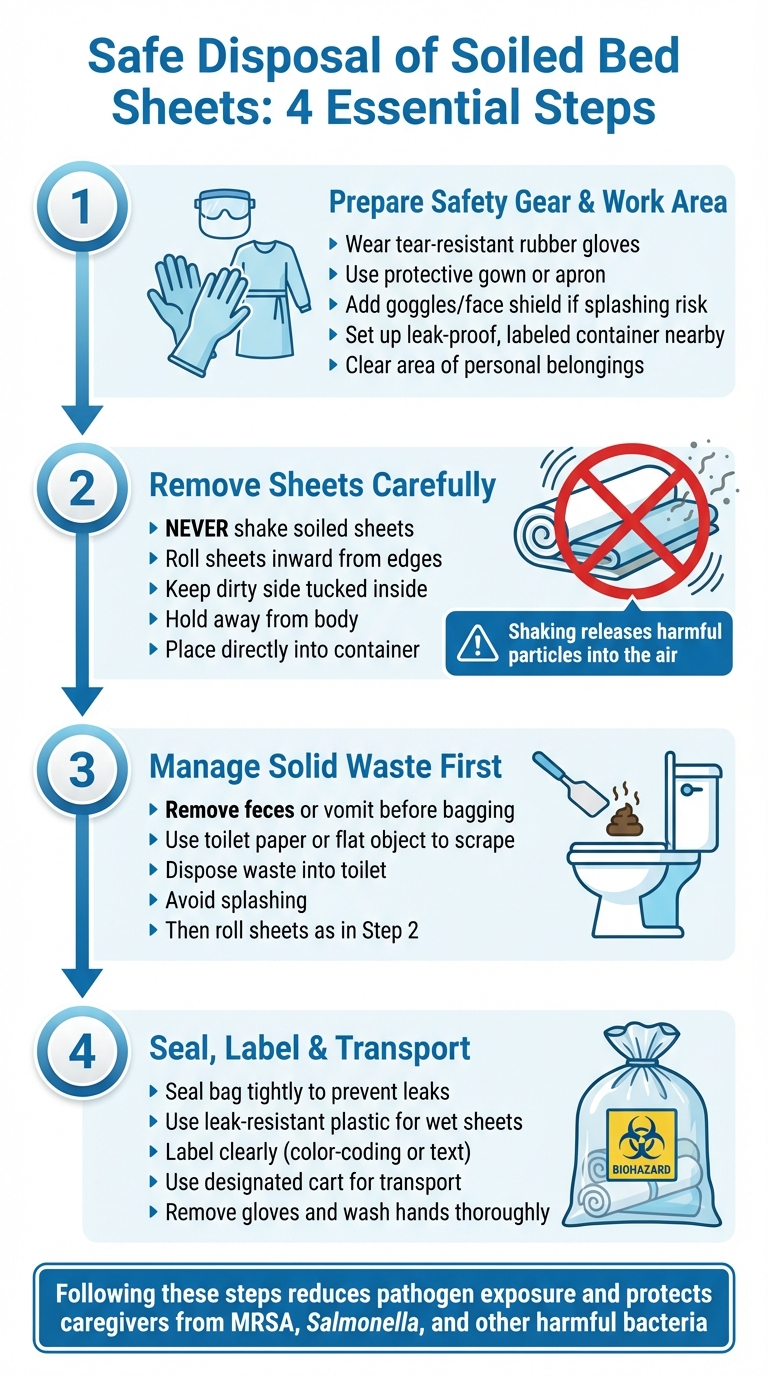
4-Step Guide to Safely Dispose of Soiled Bed Sheets
1. Get Your Safety Gear and Work Area Ready
Before handling soiled bed sheets, put on proper protective gear. The CDC advises wearing tear-resistant rubber gloves and protective clothing, like a gown or apron, to keep yourself safe[1][2]. If there's a chance of splashing - like with sheets containing liquid waste - add goggles or a face shield for extra protection[2].
Set up a leak-proof, clearly labeled container (like a plastic bag or bucket) near the bed. This way, you can place the sheets directly into it without moving them across the room. Also, clear the area of personal belongings to avoid accidental contamination[2]. Preparing your gear and workspace ahead of time ensures you can handle the sheets quickly and safely.
2. Remove Sheets Carefully - No Shaking Allowed
Never shake soiled sheets. Shaking can release tiny particles into the air, potentially spreading harmful microorganisms. The CDC emphasizes:
"Handling contaminated laundry with a minimum of agitation can help prevent the generation of potentially contaminated lint aerosols in patient-care areas"[1].
Instead, roll the sheets inward from the edges, keeping the dirty side tucked inside. Start at the corners and roll them tightly into a bundle to trap any particles or fluids. Keep the bundle away from your body as you place it directly into the prepared container[2][3]. This technique helps contain any contamination and reduces the risk of spreading germs. Once the sheets are rolled up, you’re ready to tackle any solid waste.
3. Manage Solid Waste First
If there’s solid waste like feces or vomit on the sheets, remove it before bagging them. Use toilet paper or a flat object to scrape the waste into the toilet[2][3]. This step reduces contamination and makes handling the sheets safer.
Take your time to avoid splashing. Once the solid waste is gone, roll the sheets as described earlier. This process lowers the amount of bacteria in the disposal bag, protecting anyone who might handle it later. After dealing with solids, move on to sealing and labeling the waste.
4. Seal, Label, and Transport Properly
Seal the bag tightly to prevent leaks during transport[1][2]. For sheets wet with blood or body fluids, use a strong, leak-resistant plastic bag to contain the moisture[1]. The CDC advises:
"Bags containing contaminated laundry must be clearly identified with labels, color-coding, or other methods so that health-care workers handle these items safely"[1].
Avoid carrying the sealed bag through shared spaces. Use a designated cart or container for transport[2]. If you’re using reusable containers, clean and disinfect them thoroughly after each use[2]. Once you’ve finished, remove your gloves and wash your hands thoroughly with soap and water[3]. This final step ensures you’ve minimized any risk of spreading germs.
sbb-itb-45288fe
Switch to PeelAways for Easier Disposal
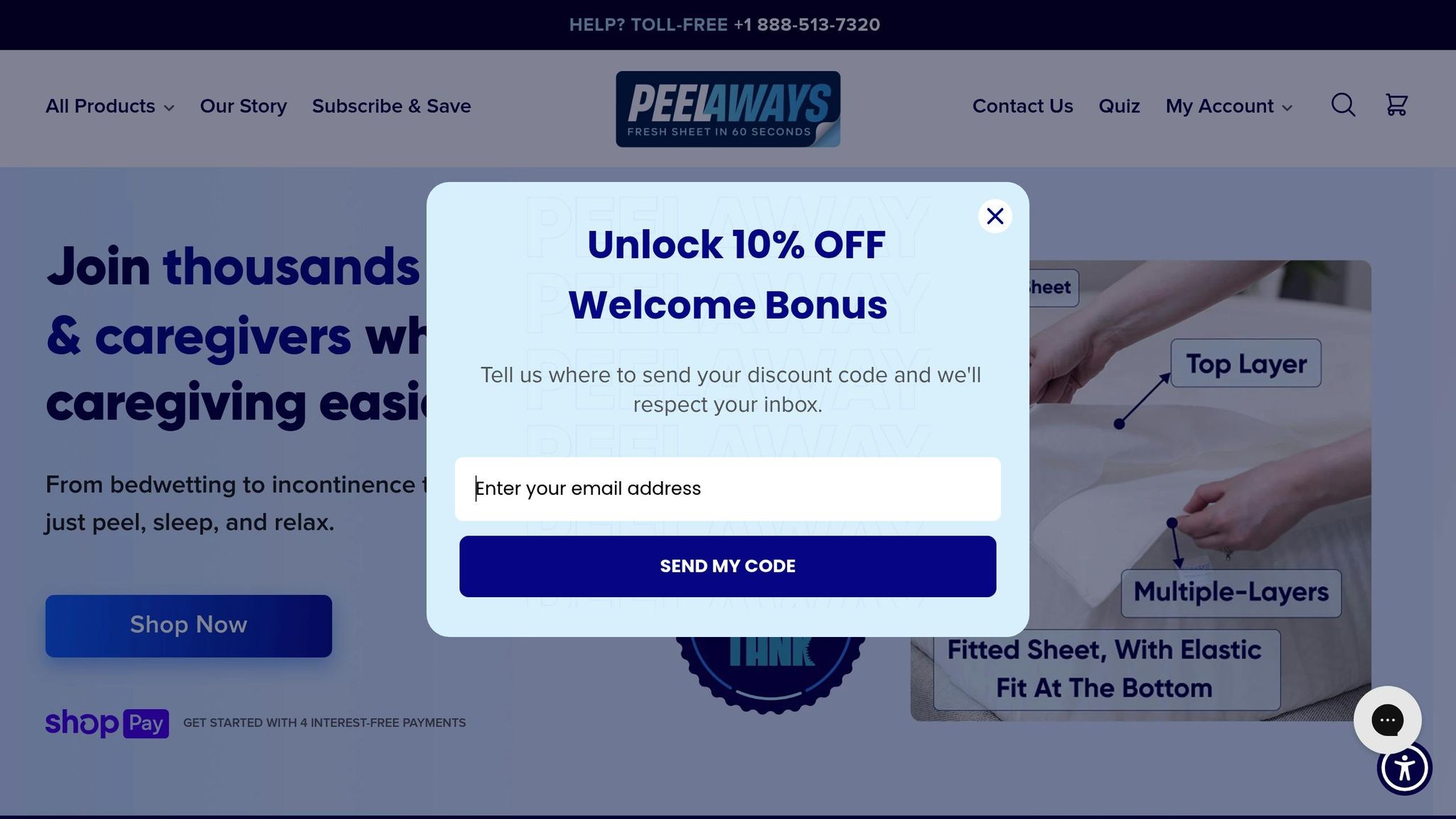
If you're looking for a simpler and more hygienic way to manage bed sheets, PeelAways disposable bed sheets might be just what you need. These sheets let you peel away the soiled layer to reveal a fresh, clean one underneath - no hassle, no mess.
1. How PeelAways Work
PeelAways feature a patented multi-layer design, stacking 5 to 7 waterproof sheets on top of each other. When the top layer gets dirty, you simply peel it off by grabbing the corner. The clean sheet below is already in place, so there’s no need to lift the mattress or struggle with fitted corners.
Each layer is 100% waterproof, preventing fluids like urine and blood from seeping through to the mattress or the layers beneath. Plus, they’re 32% softer than standard hospital sheets[4][6][7]. For bedridden individuals, changing the sheet is straightforward and can be done while they remain in bed. Just roll them to one side, peel the soiled layer to the center, then roll them to the other side to complete the process[6].
2. Benefits of Using PeelAways
One of the standout benefits is minimized cross-contamination. With PeelAways, you don’t need to shake or handle soiled linens, which can release particles into the air. Instead, you can dispose of the used layer immediately. A satisfied customer shared:
"As a mom and a caregiver, these sheets have been a great addition to make my day easier. Quicker bed changes and less laundry. WIN"[4]
While traditional sheet changes can take 10 to 15 minutes (not to mention the added laundry time), PeelAways cut that down to under a minute[6]. Each layer is durable enough to last 7 to 10 days if not soiled[4], making them ideal for elder care, post-surgery recovery, potty training, or managing incontinence. Jalene Stanger, another happy customer, noted:
"They hold a LOT of liquid and are easy to use and tear away. No more 15 loads of laundry and wet mattresses!"[7]
3. Available Sizes and Pricing
PeelAways come in a variety of sizes to suit different needs, all at reasonable prices. Here’s the breakdown:
- Crib: $30.99
- Cot: $34.99
- Twin: $34.99
- Twin XL: $34.99 (5 layers) or $41.99 (7 layers)
- Full: $43.99
- Queen: $47.99
- King: $53.99
You can save even more with subscription and bundle discounts. Subscriptions offer a 15% discount on recurring orders[4], while bundle deals provide 5% off when you buy 3 units or 10% off for 6 units[4]. Orders over $100 qualify for free shipping[7], and for purchases over $35, you can split payments into four interest-free installments through Affirm.
With a 4.61/5 rating from over 12,000 customers[4], PeelAways have been recognized as "Caregivers' #1 Product of the Year"[4], making them a trusted choice for families and caregivers alike.
Conclusion
Handling soiled sheets correctly is critical for preventing infections and protecting both caregivers and patients. Contaminated fabrics can harbor high levels of bacteria, posing serious health risks.
Improper practices - like shaking soiled linens - can release harmful pathogens into the air through aerosols[1][2]. Direct contact with these fabrics can also spread dangerous diseases, such as Salmonella, hepatitis B, and scabies[1].
Traditional methods of managing soiled linens not only expose caregivers to health risks but also add physical strain. Late-night cycles of washing, drying, and remaking beds can be exhausting and stressful.
Thankfully, modern solutions like PeelAways offer a safer and more efficient alternative. With its 100% waterproof, multi-layer design, PeelAways allows caregivers to remove a soiled layer in less than 60 seconds, eliminating the need to handle contaminated linens and reducing the risk of aerosolized pathogens[4][6]. Users have praised its ability to ease caregiver workload while maintaining hygiene.
In any care setting, proper linen disposal is essential for everyone's safety. PeelAways turns a challenging, time-consuming task into a quick and hygienic process, helping to protect health, preserve dignity, and lighten the burden on caregivers.
Related Articles
Improve bed hygiene and make caregiving easier with these helpful resources on managing incontinence, choosing the right products, and maintaining cleanliness.
How to Choose the Right PeelAways Sheet for Your Needs provides a step-by-step guide to finding the perfect sheet size and layer count for your mattress. Whether you need a Crib size or a King, this guide ensures you get the right fit. It also highlights the "Find my size" quiz and explains why Twin XL and Cot sizes come in 7-layer options, ideal for managing heavier incontinence.
The Hygiene Benefits of Multi-Layer Disposable Sheets dives into how disposable sheets can minimize pathogen exposure compared to traditional bedding. Soiled linens can carry bacterial loads of 10⁶ to 10⁸ CFU per 100 cm² and shaking them releases harmful aerosols into the air[1]. This article shows how PeelAways' 100% waterproof barrier and peel-away layers reduce these risks while offering comfort that’s 32% softer than standard hospital sheets[6].
Caring for Loved Ones: Tips for Managing Bed Hygiene shares practical advice for handling linens, disposing of waste, and disinfecting properly. Discover effective cleaning methods and quick tips for changing bedding efficiently[1][4][6].
FAQs
How do PeelAways sheets help prevent the spread of infections?
PeelAways sheets feature a disposable, waterproof, multi-layer design that makes cleanup incredibly simple. When the top layer gets dirty, you just peel it off and toss it - no washing required. This cuts down on laundry and helps keep things cleaner overall.
By discarding the used layer, you reduce the chance of spreading germs, making it easier to maintain a sanitary environment. These sheets are particularly helpful in places where hygiene is a top priority, like elder care facilities, during medical recovery, or even while potty training.
What is the safest way to handle and dispose of soiled bed sheets?
To handle soiled bed sheets safely and reduce the risk of spreading germs, start by putting on disposable gloves. If you have access to additional protective gear like a mask or gown, use those as well. Avoid letting the soiled sheet come into contact with your skin or clothing. Place the sheet in a sturdy, leak-proof plastic bag, sealing it tightly. For heavily soiled sheets, double-bagging adds an extra layer of protection. Take the bag directly to the laundry area without placing it on any surfaces along the way.
When it's time to wash, keep the soiled sheets separate from other laundry. Begin with a pre-wash cycle, then follow with a regular cycle using detergent and the warmest water temperature suitable for the fabric. Dry the sheets on the hottest setting the material can handle. Once finished, dispose of your gloves, wash your hands thoroughly, and disinfect any surfaces or tools that came into contact with the sheets.
For an easier and more hygienic option, PeelAways disposable bed sheets provide a practical solution. Their multi-layer design lets you peel away the soiled layer to instantly reveal a clean sheet underneath - no need for laundry, mattress lifting, or worrying about cross-contamination.
What sizes are available for PeelAways sheets, and do they offer different layer options?
PeelAways sheets come in several fitted mattress sizes: Twin, Twin XL, Full, Queen, and King. The Twin XL option includes 7 layers, while the other sizes feature 5 layers each.
Designed to fit standard mattress dimensions, these sheets offer a convenient and hygienic solution for situations like elder care, potty training, or recovery after medical procedures.
Comments
0



SAVE MONEY & WATER
Professionals & Institutions save a fortune on labor/laundry.

SUPERIOR COMFORT
The first thing our customers notice is how soft our sheets are.

100% WATERPROOF
Each layer is 100% Waterproof, perfect for spills and accidents

SAVE TIME
Change the sheet in under 1 minute without stripping the bed.

Leave a comment