
Study: Hygiene Practices Reduce Infection Risks in Shared Bathrooms

Shared bathrooms can spread infections due to airborne particles and contaminated surfaces. Proper hygiene practices like cleaning, disinfecting, handwashing, and improving ventilation are key to reducing these risks. Research shows that targeted measures, such as universal decolonization, can lower infection rates and hospitalizations significantly. Combining bathroom hygiene with solutions like disposable bedding, which prevents cross-contamination, offers an effective way to improve safety in communal living spaces.
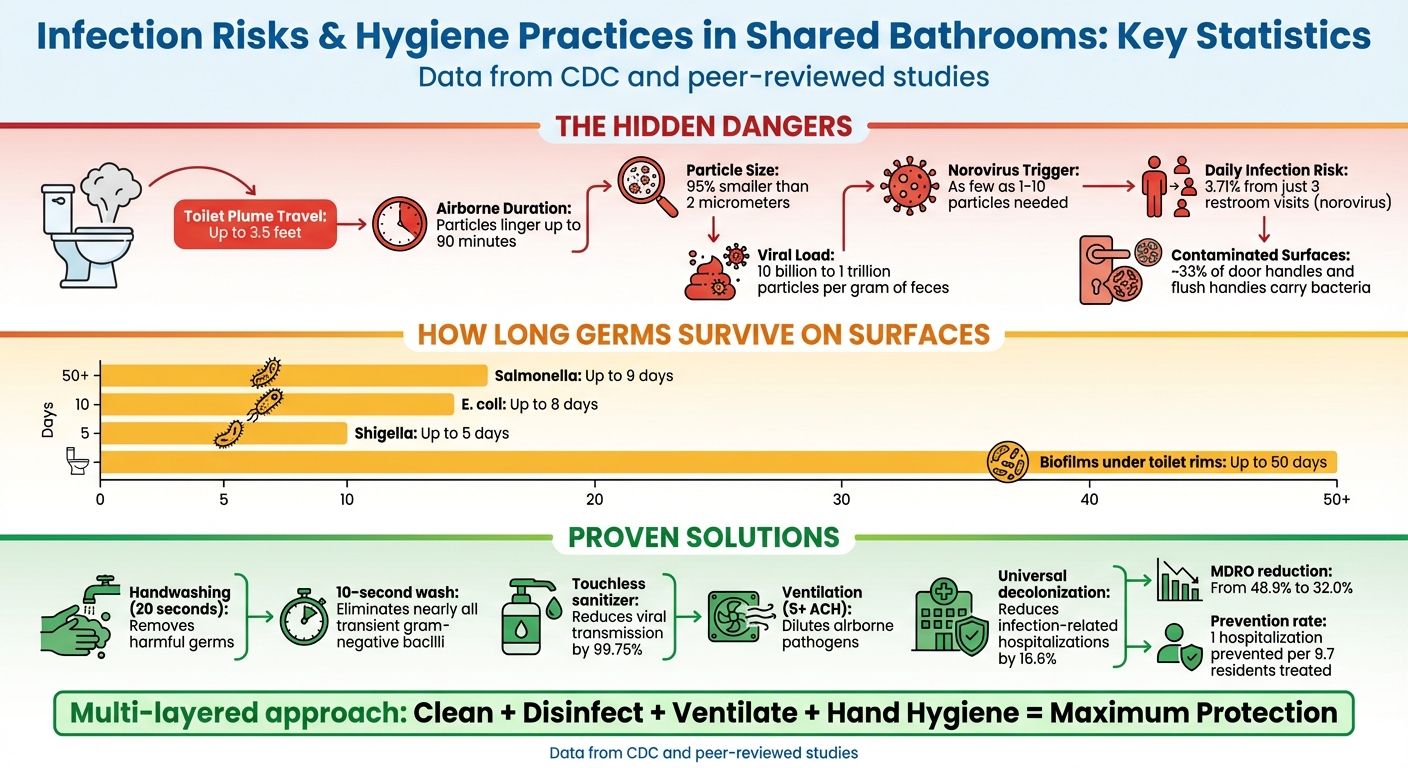
Infection Risks and Hygiene Practices in Shared Bathrooms: Key Statistics
How Dirty Are Public Restrooms?
Main Infection Risks in Shared Bathrooms
Shared bathrooms can be hotspots for disease transmission, with germs spreading in ways we can and cannot see. By understanding these risks, it becomes clear why specific hygiene practices are so effective in breaking the infection cycle.
How Pathogens Spread Through Surfaces and Air
When a toilet flushes, it creates a "toilet plume" - a spray of tiny particles that can travel up to 3.5 feet and linger in the air for up to 90 minutes [4][7]. These particles, 95% of which are smaller than 2 micrometers, can be inhaled deeply into the lungs [7].
An infected individual can release anywhere from 10 billion to 1 trillion viral particles per gram of feces, while illnesses like norovirus can be triggered by as few as 1–10 particles [7]. Flushing toilets can spread these pathogens onto surfaces like faucets, door handles, towels, and countertops. For example, SARS-CoV-2 has been detected on toilet seats and flush handles at levels ranging from 25.9 to 132.69 genome copies per square centimeter [7]. Even worse, some pathogens can survive on surfaces for days - Salmonella for up to 9 days, E. coli for 8 days, and Shigella for 5 days [7].
"The greatest risk of acquiring a norovirus infection involved the touching of the countertops in household restrooms and the toilet flush handles in public restrooms." - Charles P. Gerba, Professor of Environmental Science, University of Arizona [6]
These airborne particles and contaminated surfaces create multiple opportunities for secondary infections.
Cross-Contamination Problems
Shared bathrooms also harbor hidden threats like biofilms - slimy layers of bacteria that can form under toilet rims. These biofilms can persist for up to 50 days, even with regular cleaning, and release pathogens like Salmonella into the environment over time [7].
Improper cleaning methods can worsen the problem. For instance, using the same cleaning tool for both the sink and toilet can spread bacteria, while soaps or detergents without disinfectants may fail to eliminate germs and instead spread them further [7]. Studies reveal that in shared restrooms, the daily risk of norovirus infection from just three visits can reach 3.71% [4]. Similarly, touching a contaminated toilet seat even once carries a roughly 0.000176 chance of contracting SARS-CoV-2 [4]. While these probabilities may seem low, they can add up quickly in communal spaces where facilities are used by many people throughout the day.
Research-Backed Hygiene Practices That Work
Scientific research highlights that consistent practices can significantly reduce the risk of infections in shared bathrooms. Below, we break down effective strategies for cleaning, hand hygiene, and ventilation - all working together to limit the spread of germs.
Cleaning and Disinfection Standards
Cleaning and disinfecting are two distinct but equally important tasks. Cleaning with soap or detergent removes dirt and most germs from surfaces, while disinfecting uses chemicals to kill any lingering pathogens [8][9]. Always clean surfaces first - grime can block disinfectants from working effectively [8][10].
Focus on high-touch areas like sinks, faucets, toilet seats, door handles, and light switches. When disinfecting, choose EPA-registered products and follow their "contact time" instructions, which indicate how long the surface should stay visibly wet to ensure proper germ elimination [8][10]. For safety, wear gloves or goggles as directed on the product's Safety Data Sheet.
Hand Hygiene Requirements
"Hand hygiene is the single most important practice in the reduction of the transmission of infection in healthcare settings." - Centers for Disease Control and Prevention (CDC) [5]
Handwashing is incredibly effective when done correctly. Scrubbing with soap and water for at least 20 seconds can remove harmful germs [11]. Even a quick 10-second wash can eliminate nearly all transient gram-negative bacilli from your hands [5]. Proper hand hygiene after using the restroom prevents germs from spreading via contaminated surfaces. For certain pathogens, like norovirus or Clostridium difficile, soap and water are essential, as alcohol-based sanitizers are less effective against these germs [5][11].
Dry your hands thoroughly and, where possible, use a paper towel or your elbow to turn off faucets and open doors [11]. Adding a touchless hand sanitizer dispenser outside the bathroom can reduce viral transmission by up to 99.75% [4].
Ventilation Improvements
Ventilation plays a key role in reducing airborne pathogens. By diluting the concentration of viruses in the air, you lower the risk of inhaling them [12]. Aim for at least 5 air changes per hour (ACH) by opening windows, using exhaust fans, or adjusting HVAC systems [12]. This is especially critical during and after cleaning, as increased airflow reduces exposure to both pathogens and disinfectant fumes [8][12].
The CDC advises that while ventilation improvements help reduce disease spread, they cannot eliminate the risk entirely [12]. Pairing good airflow with proper cleaning and hand hygiene creates a stronger, multi-layered defense against infection.
| Practice | Primary Benefit | Recommended Frequency |
|---|---|---|
| Cleaning (Soap/Water) | Removes dirt and most germs | Daily [8] |
| Disinfecting | Kills remaining viruses/bacteria | When someone is sick or in high-traffic areas [8] |
| Ventilation | Reduces airborne pathogens | During and after cleaning/disinfection [10] |
| Hand Sanitizing | Reduces transfer from surfaces | Immediately after exiting the restroom [4] |
sbb-itb-45288fe
Combining Bathroom Hygiene with Clean Bedding Solutions
While maintaining strict bathroom hygiene is essential, pairing it with clean bedding is just as crucial to reducing infection risks in shared living spaces.
Even with diligent bathroom cleaning, infections can still spread through contaminated bedding. While disinfecting handles and faucets tackles one pathway, bedding often remains an overlooked source of harmful pathogens. Studies reveal that textiles in healthcare environments can harbor bacterial levels ranging from 10⁶ to 10⁸ CFU per 100 cm² of fabric [13].
How PeelAways Enhances Infection Control
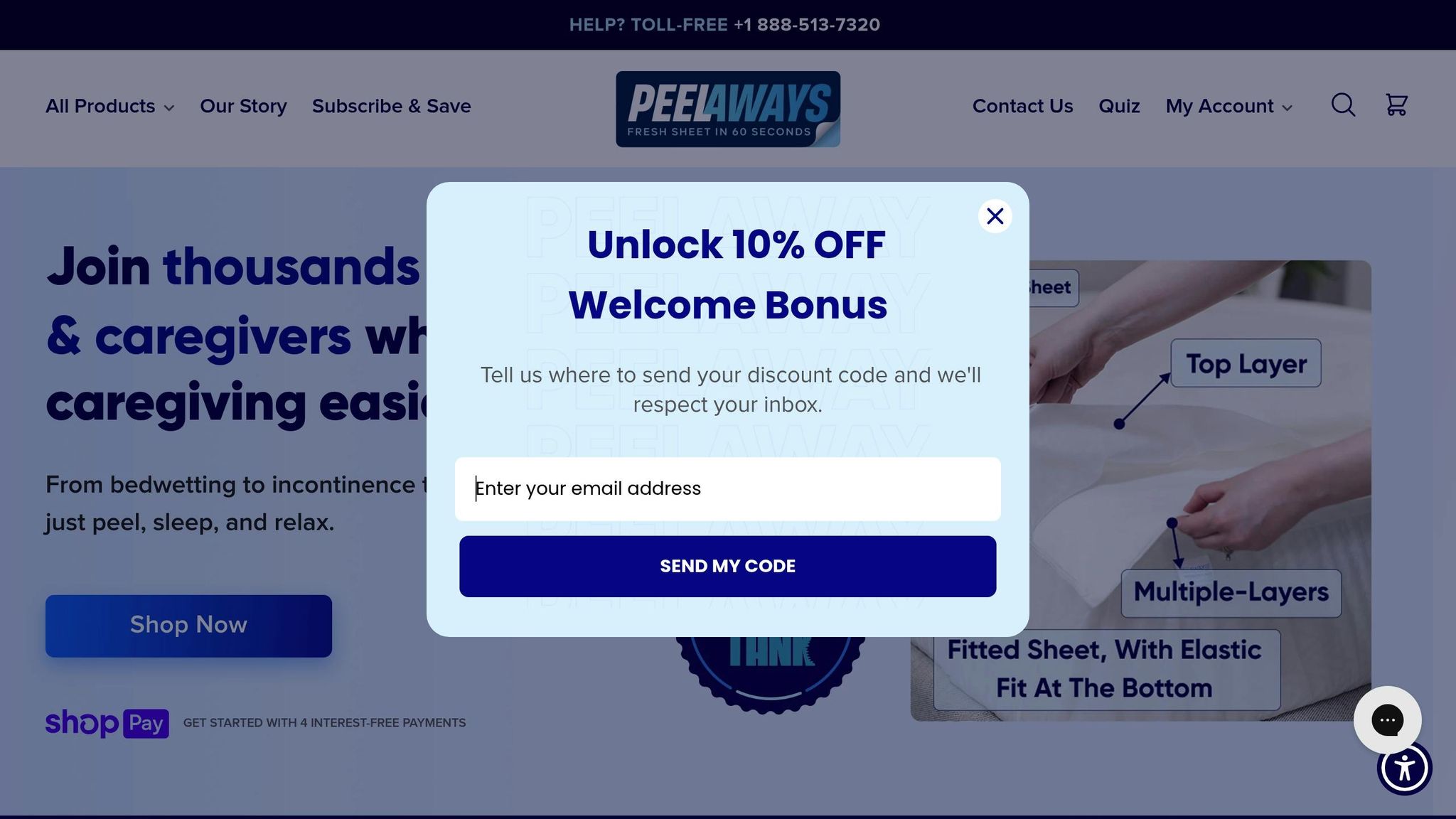
Traditional bed changes can release lint aerosols, spreading bacteria and viruses into the air [13]. PeelAways offers a smarter solution by allowing caregivers to simply peel away the top sheet layer in less than 60 seconds, eliminating any unnecessary agitation that might disperse harmful particles.
Each layer of PeelAways is designed with a 100% waterproof barrier, effectively preventing fluids like urine, stool, or blood from soaking through to the lower layers or the mattress itself. This is vital because a wet mattress can become a long-term breeding ground for bacteria such as MRSA and Pseudomonas aeruginosa [13]. Additionally, by removing the need to transport soiled linens - an activity that risks contaminating high-touch surfaces like door handles and elevator buttons [1] - PeelAways further minimizes the chances of cross-contamination.
"Handling contaminated laundry with a minimum of agitation can help prevent the generation of potentially contaminated lint aerosols in patient-care areas."
– Centers for Disease Control and Prevention (CDC) [13]
Benefits for Caregivers
PeelAways saves caregivers considerable time typically spent sorting and laundering soiled linens. The design also reduces physical strain by allowing sheets to be changed without lifting the resident, all while adhering to strict hygiene standards. Available in sizes ranging from Crib ($30.99) to King ($53.99), these sheets feature bamboo-blend layers that are 32% softer than standard hospital sheets [2]. PeelAways is an ideal fit for elder care, special needs, and recovery settings, making it a practical and hygienic choice for caregivers.
Conclusion
Shared bathrooms in group living settings present a high risk for infection. Studies reveal that around one-third of bathroom door handles and toilet flush handles carry significant bacterial contamination [1]. This highlights the importance of implementing thorough and consistent hygiene practices.
Effective strategies combine multiple measures: regular surface disinfection, strict hand hygiene protocols, improved ventilation, and proper bedding management. For example, universal decolonization protocols have shown impressive results, reducing infection-related hospital transfers by 16.6% and decreasing MDRO carriage from 48.9% to 32.0%. These measures have been so effective that they prevent one hospitalization for every 9.7 residents treated [3]. Such comprehensive efforts are essential for maintaining safer communal environments.
PeelAways disposable sheets add another layer of protection by offering a 100% waterproof barrier and a peel-away design that helps minimize bacteria spread through airborne particles [13]. Caregivers appreciate how these sheets allow for quick changes - taking less than 60 seconds - without needing to lift patients or handle potentially contaminated laundry, making it easier to uphold hygiene standards.
Related Articles
Take your infection control efforts beyond bathroom hygiene with these helpful resources tailored for caregivers and health professionals managing shared living spaces. These articles provide additional insights to strengthen your infection prevention approach.
- 5 Tips for Maintaining Hygiene in Shared Living Spaces: This guide covers key strategies to keep communal areas safer. It offers practical steps that build on the bathroom hygiene practices highlighted in this article.
- How PeelAways Simplifies Elder Care Bedding: Learn how disposable bedding can make caregiving tasks easier while maintaining high hygiene standards. This is particularly useful for addressing challenges like incontinence and limited mobility.
- The Role of Disposable Bedding in Infection Prevention: Discover how peel-away sheets reduce the risks tied to traditional laundering methods, including potential aerosol contamination [13].
- Why Ventilation Matters in Reducing Pathogen Spread: This article explores the importance of proper ventilation in minimizing airborne pathogens. With aerosolized particles from toilet flushing lingering for up to 90 minutes [7], ventilation complements surface disinfection efforts effectively.
These articles offer valuable perspectives on hygiene and bedding solutions, helping you create a more comprehensive infection prevention strategy.
FAQs
What are toilet plumes, and how do they spread infections in shared bathrooms?
When you flush a toilet, it can release tiny droplets into the air - referred to as toilet plumes. These droplets may carry harmful pathogens, which can stay suspended in the air, be inhaled, or land on surfaces like countertops, faucets, and handles. This creates an easy pathway for infections to spread, both through the air and by touching contaminated surfaces.
To lower the risk of exposure, make it a habit to practice good hygiene. If the toilet has a lid, close it before flushing to limit the spread of droplets. Additionally, disinfect surfaces regularly, especially in shared bathrooms, to keep germs at bay.
What are the best hygiene tips to stay safe in shared bathrooms?
To reduce the risk of infections in shared bathrooms, focus on three essential habits: keeping your hands clean, disinfecting surfaces, and practicing smart bathroom routines.
- Keep your hands clean: Always wash your hands with soap and water for at least 20 seconds after using the toilet, touching surfaces like faucets or door handles, or before leaving the bathroom. If soap and water aren’t available, a hand sanitizer with at least 60% alcohol is a good alternative. Handwashing is one of the easiest and most effective ways to stop germs from spreading.
- Disinfect surfaces often: High-touch areas like toilet seats, flush handles, faucets, and door knobs should be cleaned frequently. Using disinfectant wipes or sprays, especially after someone who’s unwell has used the bathroom, can help cut down on germs significantly.
- Follow smart bathroom routines: Close the toilet lid before flushing to stop germ-laden droplets from spreading. Use disposable seat covers when possible, and keep the bathroom well-ventilated by opening a window or using an exhaust fan. Avoid sharing hand towels and store personal items like toothbrushes outside the bathroom to keep them safe and clean.
By sticking to these straightforward habits, you can make shared bathrooms a healthier and safer space for everyone.
How can PeelAways disposable sheets help prevent cross-contamination in shared living spaces?
PeelAways disposable sheets offer a clever multi-layer design that completely sidesteps the need for traditional washing. Each sheet set is made up of layers that you can peel away as needed. When the top layer gets dirty, just peel it off to reveal a fresh, clean one underneath. This simple system helps ensure that any germs on the used layer are thrown away, cutting down the risk of spreading bacteria or viruses.
These sheets are particularly useful in shared living spaces like dorm rooms, group homes, or communal settings where bedding can easily become a hotspot for germs. Since there’s no need to wash or reuse linens, the risk of spreading infections is drastically reduced. PeelAways make it easier to maintain hygiene, offering a safe and convenient option for both residents and caregivers while streamlining the entire bedding process.
Comments
0



SAVE MONEY & WATER
Professionals & Institutions save a fortune on labor/laundry.

SUPERIOR COMFORT
The first thing our customers notice is how soft our sheets are.

100% WATERPROOF
Each layer is 100% Waterproof, perfect for spills and accidents

SAVE TIME
Change the sheet in under 1 minute without stripping the bed.

Leave a comment