
Dignified Incontinence Care: How to Preserve Self-Esteem During Personal Care

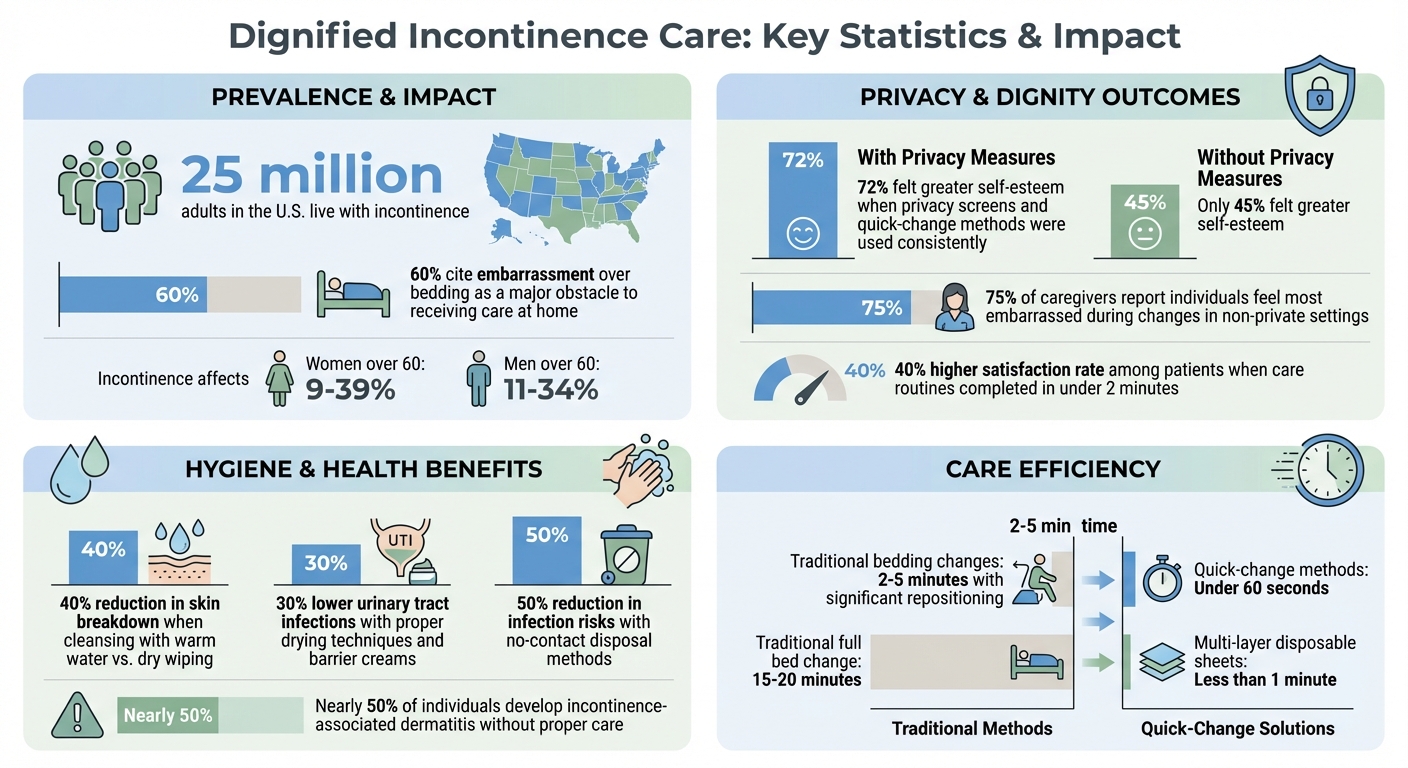
25 million adults in the U.S. live with incontinence, and many face embarrassment and reduced independence. Caregivers can help maintain dignity through simple strategies: empathetic communication, respecting privacy, and using tools like PeelAways disposable bed sheets for quick, hygienic cleanups. These approaches ease anxiety, protect self-esteem, and create a supportive care environment.
Key Tips for Dignified Care:
- Speak respectfully, involve individuals in decisions, and validate their emotions.
- Ensure privacy with closed doors, modesty techniques, and minimal caregiver presence.
- Use efficient tools like multi-layer disposable bedding for discreet, stress-free routines.
- Maintain hygiene with gentle cleansing, proper drying, and odor-proof disposal methods.
- Support confidence with scheduled toileting and pelvic floor exercises.
These strategies help caregivers provide compassionate, effective care while preserving the individual's sense of self-worth.
Incontinence Care Statistics: Privacy, Dignity, and Effective Care Practices
10. Incontinence Begins: Four Essential Tips / Alzheimer's and Other Dementias
sbb-itb-45288fe
Communicating with Empathy and Respect
How you communicate during incontinence care has a profound effect on the emotional well-being of the person you're supporting. Using person-first language - like addressing someone by their name - helps normalize the situation, reduce feelings of shame, and reaffirm their sense of identity. Acknowledging emotions in these moments fosters trust and mutual respect.
Start every interaction with care and consideration: knock before entering, ask for permission, and take time to explain each step of the process. Moving deliberately and thoughtfully preserves dignity while addressing both physical and emotional needs.
It's important to validate feelings like anxiety, frustration, or embarrassment. As Medsitis points out:
Recognizing these feelings as normal reactions rather than personal failings is the first step toward improvement.
Encourage self-compassion by helping individuals separate their personal identity from their medical condition. Positive reinforcement and supportive language can go a long way in challenging negative self-talk.
Empower decision-making by involving the individual in care choices whenever possible. Let them select protective products, set toileting schedules, or create hydration plans. This collaborative approach helps maintain their autonomy and sense of control.
Even small decisions - like choosing bedding or deciding when care routines happen - can rebuild confidence and reinforce independence.
When discussing care in public or semi-private settings, use discreet language to protect privacy and avoid embarrassment. Create an environment where the individual feels safe sharing concerns about how incontinence impacts their life or preferences for care products. Respectful, empathetic communication like this can ease feelings of depression or anxiety often tied to incontinence. By prioritizing privacy and dignity, caregivers can provide support that feels both thoughtful and seamless.
Ensuring Privacy During Personal Care
Privacy during incontinence care plays a crucial role in maintaining emotional well-being and self-esteem. Protecting dignity involves creating a private space, explaining each step before starting, and using efficient methods to minimize exposure time. These measures not only reduce anxiety but also help individuals feel respected during vulnerable moments. The first step is to secure the physical environment for a private care setting.
Securing the environment is essential before beginning any care. Start by closing and locking doors, drawing curtains, and positioning the bed away from windows or open areas. In shared spaces like nursing homes, portable privacy screens or room dividers can shield the care area effectively. A 2023 study by the Wound, Ostomy, and Continence Nurses Society revealed that 72% of individuals felt greater self-esteem when privacy screens and quick-change methods were used consistently, compared to only 45% without them. Adding a "Care in Progress - Please Knock" sign to the door can prevent interruptions that might lead to embarrassment. Once the environment is secure, focus on clear communication and caregiver training to enhance dignity.
Providing clear, step-by-step explanations is key to showing respect and minimizing discomfort. For instance, you might say, "I'm going to close the door now and then help you with a quick change - please let me know if you need anything." This approach avoids surprises that can feel invasive and helps ease anxiety. Keep the number of caregivers present to a minimum, as 75% of caregivers report that individuals feel most embarrassed during changes in non-private settings. Clear communication sets the tone for a respectful and efficient process.
Reducing exposure time is another vital aspect of preserving dignity. Traditional bedding changes can take 2–5 minutes and involve significant repositioning. However, products like PeelAways disposable bed sheets allow for discreet changes in under 60 seconds without requiring full undressing. Shorter exposure times help maintain dignity, with routines completed in under 2 minutes showing a 40% higher satisfaction rate among patients.
Throughout the process, use modesty-preserving techniques to ensure comfort and respect. Cover non-affected areas with towels or blankets and position the individual so they are not facing open spaces or doorways. Keep all supplies - such as wipes, clean sheets, and protective products - within easy reach to avoid leaving the room mid-change. These thoughtful adjustments create a smoother, more dignified experience that prioritizes both physical and emotional privacy.
Maintaining Hygiene While Preserving Dignity
Maintaining hygiene is about more than just physical care - it’s also about respecting a person’s emotional well-being. Proper hygiene practices protect skin health while preserving dignity, which can boost self-esteem. Using warm water (around 100°F), soft, fragrance-free cloths, and a moisture barrier cream not only prevents irritation but also ensures the process is respectful. Research shows that cleansing with warm water reduces skin breakdown by 40% compared to dry wiping. Additionally, proper drying techniques, combined with barrier creams, can lower urinary tract infections by 30% in long-term care settings.
Gentle cleansing techniques are key to providing dignified care. A peri-bottle or basin filled with warm water, paired with soft microfiber cloths or disposable wipes, is far better than harsh paper towels. Always clean using a single, front-to-back motion, especially in the perineal area, to reduce bacterial spread. Before starting, explain each step to foster trust and ease any discomfort. Avoid rubbing the skin, as it can cause friction burns. Instead, use gentle patting motions that are both effective and comfortable. After cleansing, proper drying is just as crucial for preventing complications and maintaining dignity.
Proper drying prevents skin complications like infections and irritation. Use a soft, absorbent towel and pat dry with light pressure. To maintain modesty, keep the person partially covered with a sheet during the process. Applying a moisture barrier cream, such as one containing zinc oxide, adds a layer of protection against future irritation. These steps can significantly reduce the risk of incontinence-associated dermatitis, which affects nearly half of individuals without proper care.
Discreet disposal of soiled items is another way to protect dignity during vulnerable moments. Seal pads, diapers, or soiled clothing in odor-proof bags and dispose of them in a covered bin located away from living spaces. Allowing the individual to participate in the process, such as sealing the bag themselves, can help them feel more in control and normalize the task as a routine part of care.
Multi-layer sheets simplify cleanup while reducing the risk of cross-contamination. PeelAways disposable bed sheets, for example, feature a waterproof core and a moisture-wicking top layer, allowing for quick and discreet cleanup. This approach not only prevents leaks but also enables no-contact disposal, cutting infection risks by up to 50%. With all supplies prepared ahead of time, the entire hygiene process - from cleansing to final disposal - can be completed in under five minutes, minimizing intrusion and maintaining respect throughout.
Choosing Comfortable and Discreet Bedding
Bedding that looks ordinary can make a world of difference for individuals dealing with incontinence. It helps preserve dignity, reduces embarrassment, and creates a sense of normalcy. Using soft, noiseless materials is also key - these prevent the crinkling sounds that might otherwise draw attention to an incontinence episode, making it easier to feel comfortable in shared spaces and boosting confidence during vulnerable moments.
Traditional waterproof bedding protectors, often made with vinyl or PVC backing, can be noisy and uncomfortable. The loud rustling they produce can amplify feelings of shame and take a toll on emotional well-being. This need for discreet and comfortable solutions has led to designs that simplify care routines while maintaining a sense of privacy.
One such solution is PeelAways multi-layer disposable sheets, which address these concerns head-on. These sheets are designed with comfort and discretion in mind. The soft, quilted bamboo/rayon topsheet feels just like regular bedding and remains silent during movement. With a fitted design and deep pockets, the sheets stay securely in place, ensuring they don’t shift around.
What sets PeelAways apart is their quick-change system. When an incident occurs, caregivers can peel away the soiled layer in less than a minute, revealing a clean sheet underneath - no need to lift the mattress or reposition the individual. This process transforms what is typically a 15–20 minute task into a simple, discreet routine. Janet C., a verified buyer, shared her experience:
I brought these to a memory care facility where a loved one lives. No one had heard of them. After the first night, they were hooked. Thanks for helping me with my loved one's dignity.
For the 25 million adults in the U.S. managing incontinence, 60% cite embarrassment over bedding as a major obstacle to receiving care at home. Choosing the right bedding can make a significant difference. PeelAways sheets not only look like standard bedding but also offer up to 6 liters of absorption per layer, allowing individuals to enjoy social activities without worrying about visible or audible signs of their condition.
Creating Scheduled Toileting Routines
Establishing a consistent toileting schedule can prevent accidents and reduce anxiety, especially for individuals with neurological impairments or dementia. Timed voiding, which involves emptying the bladder at set intervals instead of waiting for the urge, helps prevent overfilling and promotes better bladder health. This proactive approach builds on earlier strategies, emphasizing dignity and thoughtful care.
To get started, gradually extend the current voiding interval by 15 minutes until reaching a two-hour gap. Stick to the schedule daily to encourage habit formation. It's helpful to align this routine with daily activities, such as before meals or outings, for ease and consistency. Discreet reminders, like a vibrating watch or clip-on device, can prompt voiding without drawing attention. If an urge arises before the scheduled time, performing three to four pelvic floor contractions (each held for five seconds) can help delay until the planned interval.
Nighttime routines follow similar principles. Scheduling bathroom visits at the start and end of bedtime, reducing fluid intake in the evening, and using night lights for safe movement can minimize overnight accidents. Products like PeelAways disposable sheets provide added protection, with layers that remain effective for up to 7–10 nights if not soiled. This can offer reassurance as routines are established. It's worth noting that incontinence affects 9%–39% of women and 11%–34% of men over 60, highlighting the importance of proactive care.
Consistency is crucial. Maintaining the schedule for several months - even after noticeable improvement - helps solidify habits, rebuild confidence, and preserve dignity. By weaving scheduled toileting into daily and nightly routines, caregivers can support both physical comfort and emotional well-being.
Using Pelvic Floor Exercises to Build Confidence
Strengthening your pelvic floor - the muscle "hammock" that supports your bladder and urethra - can help keep the urethra closed during moments of physical stress, like coughing or sneezing. It also works in sync with the bladder to reduce urgency. While you may notice some improvement in 6–8 weeks, more noticeable results often come after 3–6 months. This simple, self-managed technique plays a key role in maintaining control and confidence when dealing with incontinence.
To get started, it's important to identify the right muscles. Focus on the sensation of stopping the flow of urine or holding back gas. You should feel a controlled "lift" motion moving upward and inward - avoid pushing downward. Interestingly, about one-third of people perform these exercises incorrectly. Be sure not to clench your buttocks, thighs, or abdominal muscles while practicing. If you're unsure, ask your healthcare provider about biofeedback devices, which can visually confirm whether you're targeting the correct muscles.
A balanced exercise routine is key. Include the following moves:
- Kegels: Hold the contraction for 3–10 seconds, then relax for an equal amount of time.
- Quick Flicks: Perform rapid contractions lasting 1–2 seconds.
- The Knack: Engage your pelvic floor muscles just before activities that put stress on your bladder, like coughing or sneezing.
The COB Foundation highlights the value of The Knack:
"The knack is underappreciated. It gives people something they can do today, not just months down the line.
Aim for 10–15 repetitions of these exercises, three times a day, and always on an empty bladder.
Incorporate these exercises into your daily routine to make them second nature. For instance, try a set while waiting at a red light, watching TV, or even lying in bed before getting up in the morning. Keeping a simple log can help you stay on track. Also, remember to stay hydrated - dehydration can make your urine more concentrated, irritating your bladder and increasing urgency. As Samantha Charlotin, PT, DPT at Hinge Health, explains:
"When you're dehydrated, your urine becomes more concentrated with waste products, which can irritate the lining of your bladder and increase feelings of urgency".
While you're building strength and confidence, PeelAways multi-layer disposable sheets offer a practical solution. These sheets feature 5 to 7 waterproof layers that can be peeled away in seconds, providing reassurance and protection during your progress. Made with soft, breathable bamboo fabric, they ensure comfort and help you focus on your exercises without worry. Combining these exercises with thoughtful care routines can help you regain control and boost your confidence.
Conclusion
Caring for someone with incontinence is an intimate and meaningful responsibility where preserving dignity is key. By focusing on empathy, maintaining privacy, ensuring proper hygiene, following consistent routines, and incorporating pelvic floor exercises, caregivers can create an environment that not only manages the condition but also uplifts the individual’s sense of self-worth.
These strategies work hand in hand to ease the caregiving process for both you and your loved one. Empathy fosters trust, privacy safeguards emotional well-being, nighttime incontinence care routines bring a sense of stability, and pelvic floor exercises can help regain confidence and control. Together, they transform caregiving into a practice that respects independence while promoting dignity.
To complement these compassionate care practices, PeelAways multi-layer disposable sheets offer a practical solution that minimizes disruptions during bed changes. With 5 to 7 waterproof layers that peel away in under 60 seconds, these sheets ensure comfort and cleanliness without the hassle of lifting mattresses or causing unnecessary discomfort.
For readers of this blog, PeelAways is providing an exclusive 10% discount to make caregiving more affordable. Use code BLOGS10 at checkout to save on PeelAways multi-layer disposable sheets. This discount can even be combined with subscriptions and bundle offers, helping you save money while simplifying care routines.
You can purchase PeelAways on Amazon or directly from PeelAways.com.
FAQs
How can I bring up incontinence without embarrassing them?
When addressing incontinence, it's important to approach the topic with care and understanding. Start by choosing a private setting to ensure the person feels comfortable and respected. Use gentle, supportive language to emphasize that incontinence is a common health issue that can be managed effectively. Frame the conversation around their overall well-being, focusing on how addressing the issue can improve their quality of life. This approach helps minimize discomfort and demonstrates genuine concern for their dignity and comfort.
What’s the fastest way to change the bed while keeping privacy?
The fastest way to change a bed while keeping privacy intact is by using practical bedding solutions like disposable multi-layer sheets. Here's how you can do it efficiently:
- Have disposable sheets ready beforehand to streamline the process.
- Use a privacy blanket to cover the person while you work.
- Carefully take off the soiled bedding and replace it with clean sheets.
- Maintain privacy by ensuring doors are closed, curtains are drawn, or a screen is in place during the entire process.
These steps help you work quickly while respecting the individual's comfort and dignity.
When should I ask a doctor about their incontinence?
If incontinence symptoms persist, worsen, or appear suddenly, it’s crucial to consult a doctor. This becomes even more important if the condition interferes with daily life, causes emotional strain, or involves challenges in controlling bladder function. Seeking medical advice early can help identify underlying issues and provide solutions to improve your overall well-being.
Related Blog Posts
Comments
0



SAVE MONEY & WATER
Professionals & Institutions save a fortune on labor/laundry.

SUPERIOR COMFORT
The first thing our customers notice is how soft our sheets are.

100% WATERPROOF
Each layer is 100% Waterproof, perfect for spills and accidents

SAVE TIME
Change the sheet in under 1 minute without stripping the bed.

Leave a comment