
Managing Odor in Incontinence Care: A Guide

Managing incontinence-related odors is possible with the right strategies. Odors often arise from bacterial interaction with urea in urine, creating ammonia. Proper hygiene, hydration, and high-quality absorbent products can significantly reduce smells. Use odor-locking incontinence products, maintain consistent cleaning routines, and ensure adequate ventilation in living spaces. For bedding, multi-layer disposable sheets like PeelAways simplify care and prevent lingering odors. These solutions are essential for keeping beds dry and comfortable. These steps not only improve comfort but also protect skin health.
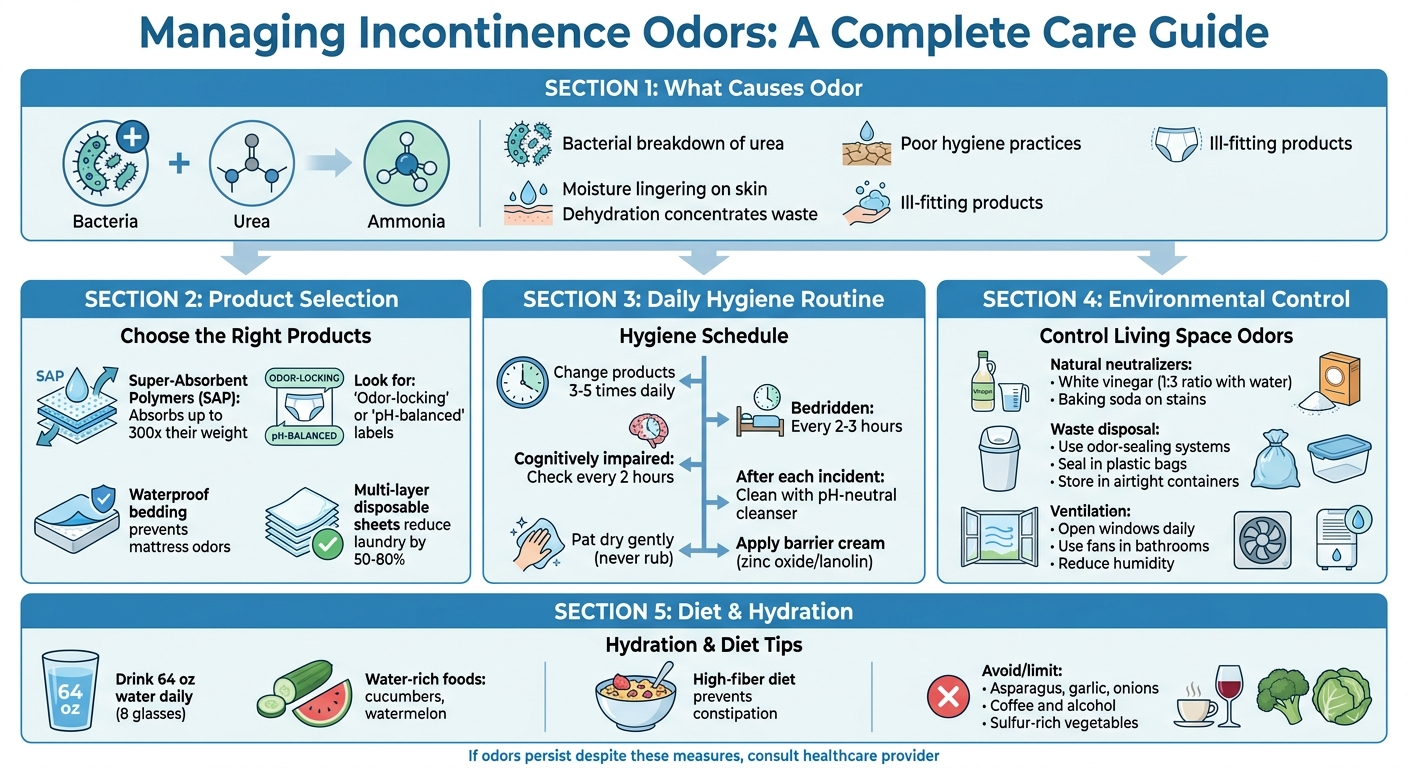
Complete Guide to Managing Incontinence Odors: Products, Hygiene & Prevention
How to Eliminate the Smell of Adult Diapers (Help for Caregivers)
sbb-itb-45288fe
What Causes Incontinence Odor
Incontinence-related odors mainly arise when bacteria interact with urea in urine, breaking it down into ammonia compounds that emit a strong, unpleasant smell. This process accelerates when moisture lingers on the skin or in absorbent products, creating an environment where bacteria thrive and release volatile compounds over time. Factors like dehydration, poor hygiene, and prolonged exposure to moisture can make the odor worse.
As explained by Because Market, "The longer moisture remains on the skin or in an absorbent product, the more time odor has to build". Warm conditions and friction from extended contact provide an ideal setting for bacteria to multiply, which speeds up the production of ammonia-based odors.
Dehydration plays a role in intensifying odor by concentrating waste in the urine. Additionally, certain medical conditions, such as urinary tract infections, diabetes, or metabolic disorders, can cause unusually strong or distinctive smells. These odors may even signal underlying health concerns.
Good hygiene is a key factor in managing odor. Regular cleaning removes residual waste and bacteria before they have a chance to produce unpleasant smells. When cleansing is neglected, bacteria build up, leading to stronger odors and increasing the risk of skin infections. The fit of incontinence products also matters: items that are too tight can trap moisture and bacteria against the skin, while overly loose products may leak, spreading odors to clothing or furniture.
Diet can also influence the scent of urine. Foods like asparagus, certain medications, and even high doses of Vitamin C can alter its smell. Keeping track of these dietary and lifestyle factors can help identify whether an odor is typical or a sign of a potential health issue.
Recognizing these causes highlights the importance of choosing the right products and maintaining proper hygiene to control and manage odor effectively.
Selecting Products for Odor Control
High-quality incontinence products manage odors effectively by locking moisture away from both the skin and the air. With advanced absorption and waterproof barriers, these products reduce moisture exposure, which helps limit bacterial growth and the ammonia odors that come with it.
How Super-Absorbent Products Control Odor
Super-absorbent polymers (SAP) play a key role in odor control. These materials can absorb up to 300 times their weight in liquid, turning urine into a gel that traps moisture deep within the product's core. By keeping moisture away from air exposure, SAP slows down the chemical breakdown of urea into ammonia, a primary source of odor.
Additionally, SAP helps stabilize pH levels, which inhibits bacterial growth and further prevents unpleasant smells. Jane Granger from TENA explains this process:
The Odour Control SAP used in TENA products keeps the pH level down inhibiting the growth of bacteria. Bacteria produces ammonia which causes odour, so the SAP helps hinder bacteria growth.
When choosing incontinence products, focus on those labeled with terms like "odor-locking" or "pH-balanced" technology. These features address the root cause of odor, unlike heavily scented products, which can irritate sensitive skin without solving the underlying issue. Also, ensure a proper fit - products that are too large may allow leaks, while those that are too small can trap moisture and bacteria against the skin, increasing the risk of odors and skin irritation.
Waterproof and Disposable Bed Sheets
While absorbent products tackle moisture at its source, waterproof bedding is crucial for preventing odors from spreading to furniture and living spaces. These barriers stop urine from soaking into mattresses and upholstery, which are notoriously difficult to clean and can trap lingering smells. Multi-layered disposable sheets provide an added layer of convenience, allowing caregivers to remove soiled layers quickly and easily, preventing odors from seeping into fabrics.
PeelAways, for example, offers multi-layer disposable sheets with 5–7 waterproof layers. Each layer can be peeled away in under a minute, revealing a clean sheet underneath. This design eliminates the common issue with traditional linens, as caregiver Maggspie points out:
The reason for the cold-water wash/rinse is because bodily fluids don't do great when washed with hot water. It tends to cook the urine smell and stains right into the fabric, making them extremely hard to get rid of
By using disposable layers, caregivers can avoid this problem entirely while significantly reducing laundry loads - by as much as 50–80%.
The breathable bamboo/rayon fabric in PeelAways sheets allows for air circulation while maintaining a waterproof barrier. This helps prevent moisture build-up and bacterial growth, both of which can worsen odors. For home caregivers and facilities, these sheets not only reduce the frequency of emergency bedding changes but also offer noticeable savings on laundry costs.
Daily Hygiene Practices for Odor Control
Keeping up with consistent hygiene routines is essential for preventing odor buildup. Regularly changing incontinence products, properly cleansing the skin, and using protective barriers help minimize bacterial growth and reduce ammonia-related odors. These steps also safeguard the skin against irritation and potential infections.
How Often to Change Incontinence Products
For adults managing incontinence, it’s generally recommended to change products 3 to 5 times daily to maintain cleanliness and reduce odors. However, the exact frequency depends on factors like mobility and cognitive function. For example:
- Bedridden individuals: Products should be changed every 2 to 3 hours.
- Cognitively impaired individuals: Check and change products at least every 2 hours, as they may not communicate discomfort effectively.
Always change products immediately after bowel movements or significant urinary accidents to protect the skin from irritation and breakdown. Additionally, replace items before they reach full absorption capacity to prevent leaks and bacterial growth. Even lightly soiled products can trap moisture, creating an environment conducive to odor and skin irritation. Regular changes help maintain a healthier, cleaner atmosphere. Choosing the right bedding for incontinence care can further support these hygiene efforts.
Timely product changes also prepare the skin for proper cleansing and the application of protective barriers.
Proper Skin Cleansing and Barrier Protection
In addition to frequent product changes, thorough skin cleansing plays a critical role in odor control. After each episode of urination or bowel movement, clean and dry the skin promptly to avoid irritation and odor buildup. Use pH-neutral, soap-free cleansers or no-rinse sprays, as traditional bar soaps can disrupt the skin’s natural pH (ideally between 4 and 7) and cause dryness. Always pat the skin dry gently - rubbing can lead to irritation.
Once the skin is clean, apply a barrier cream or ointment, such as zinc oxide, lanolin, or petrolatum, to create a protective layer that shields against moisture. Reapply the barrier with each cleaning session. For those with sensitive or fragile skin, barrier sprays are a good alternative since they minimize direct contact, reducing the risk of further irritation. Avoid products with alcohol, as they can aggravate sensitive skin.
Controlling Odors in Living Spaces
Keeping living spaces fresh goes beyond personal hygiene - it’s about managing the environment to tackle odors at their source. Effective ventilation, proper waste management, and natural odor neutralizers can make a huge difference in maintaining a comfortable and pleasant home or care facility. Here’s how to address odors directly and prevent them from spreading.
Natural Odor Neutralizers
When dealing with spills or accidents on furniture or carpets, act fast. Start by blotting the area dry, then apply a mixture of one part white vinegar and three parts water. This simple solution helps neutralize odors before they have a chance to linger. For laundry, sprinkle baking soda directly onto incontinence stains before pre-soaking the items. These everyday household products are not only affordable but also safe for most fabrics and surfaces.
Waste Disposal and Ventilation Methods
Managing waste properly is essential for controlling odors. Instead of open trash bins, opt for incontinence bedding disposal systems. These systems trap smells before they spread. Additionally, seal soiled wipes and towels in plastic bags before throwing them away to contain both germs and odors. If you can’t wash soiled linens immediately, store them in airtight containers rather than leaving them in open laundry baskets.
Ventilation is just as important as waste management. Open windows daily to let fresh air circulate and prevent odors from building up. For areas prone to stagnant air - like bathrooms or near changing stations - use fans to boost airflow and reduce humidity. Since odors tend to get worse in warm, humid conditions (thanks to faster bacterial growth), maintaining good airflow in heated rooms is especially important.
Diet and Hydration for Odor Reduction
Managing incontinence odors isn't just about hygiene and products - what you eat and drink plays a big role too.
Staying hydrated is key. Drinking about 64 ounces of water a day (around 8 glasses) helps dilute urine, lowering ammonia levels that cause unpleasant smells. Proper hydration also helps flush bacteria from the urinary tract, reducing the risk of infections that often lead to foul-smelling urine.
It might seem logical to cut back on fluids to manage leakage, but this actually makes things worse. Marlee Septak, Senior Content Specialist at Aeroflow Urology, explains:
"Urine is 95% water, meaning it's pretty diluted. Therefore, dehydration makes your urine more concentrated, causing it to smell stronger (and often malodorous)".
Certain foods can also make urine smell stronger. Sulfur-rich foods like onions, garlic, broccoli, and cabbage are common culprits. Asparagus is especially known for its strong effect on urine odor. Cutting back on coffee and alcohol may also help reduce noticeable odors.
For extra hydration, try adding water-rich foods like cucumbers and watermelons to your diet. These not only help maintain fluid levels but also provide important nutrients. A high-fiber diet is another win - it helps prevent constipation, which can put pressure on the bladder and worsen incontinence issues.
If odors persist despite these changes, it’s worth consulting a healthcare provider. Unusually strong or sweet-smelling urine could signal underlying issues like urinary tract infections, diabetes, or metabolic disorders, rather than just dietary factors. In some cases, healthcare professionals might even recommend increasing fluid intake to up to two liters a day, depending on individual needs.
Simplifying Bed Changes in Incontinence Care
Managing bedding during incontinence care isn’t just about hygiene - it’s also about efficiency. Traditional bed changes can be physically taxing and time-consuming, often involving lifting heavy mattresses and wrestling with fitted sheets. PeelAways' multi-layer disposable bed sheets change the game. With these sheets, caregivers can peel away a soiled layer in about 60 seconds, revealing a fresh, clean one underneath. This approach removes the need for heavy lifting and streamlines the entire process.
How PeelAways Makes Bed Changes Easier

PeelAways sheets are built with 5 to 7 stacked waterproof layers, functioning much like a pad of paper. When the top layer is soiled, it can be peeled away to uncover a clean layer below. Each layer acts as a waterproof, breathable barrier, preventing urine, feces, and moisture from seeping through to the mattress or the layers beneath.
Lou Leibhaber, former COO of Lehigh Valley Hospital and Health Network, highlights how these sheets save time:
"The reduced time in changing these sheets can significantly increase the time hospital staff provides care to its patients. On average, it can take two nurses up to 15 minutes to change a sheet while the patient is in the bed. With PeelAways, it can take one nurse less than a minute and, most importantly, can increase patient comfort."
PeelAways sheets come in various sizes, from Crib-A-Peel at $30.99 to King at $53.99. Options like Cot and Twin XL are designed with 7 layers, ideal for care facilities. Made from soft bamboo/rayon fabric, these sheets feel like traditional bedding - quiet and comfortable, never plasticky.
| Sheet Size | Number of Layers | Use Case |
|---|---|---|
| Twin, Full, Queen, King | 5 Layers | Standard home care |
| Cot, Twin XL | 7 Layers | Care facilities and medical beds |
| Crib-A-Peel | 5-7 Layers | Toddlers and potty training |
This innovative design not only reduces physical strain for caregivers but also helps cut operational costs.
Benefits for Home Caregivers and Care Facilities
PeelAways sheets do more than simplify bed changes - they also improve comfort and control odors, complementing other hygiene practices. For home caregivers, the reduced physical effort and lower laundry demands are game-changers. Weekly laundry loads shrink, and bed changes become far less strenuous.
For care facilities, the financial impact is undeniable. Facilities with 100 or more beds can see annual laundry savings between $200,000 and $500,000, often recouping their investment in just 3 to 12 months. The single-use top layer eliminates cross-contamination, a critical factor in infection control. Additionally, by removing the need to lift or move mattresses, these sheets minimize the spread of dust, microbes, and other contaminants around bed frames.
PeelAways products are easily accessible through their website, Amazon, and Medline. With accolades like Caregiver Product of the Year and a 4.8-star rating from over 28,000 customers, these sheets are a trusted solution for simplifying incontinence care.
Conclusion
Managing odors in incontinence care is entirely possible with the right combination of products, hygiene routines, and environmental care. The key lies in quickly addressing accidents, choosing the right products, and maintaining consistent skin care. Practices like changing incontinence products every two hours, using enzyme-based cleaners, and staying properly hydrated all play a part in creating an effective odor control plan. These efforts are further supported by advanced product solutions designed to make care easier and more effective.
One such solution is PeelAways multi-layer disposable sheets, which help reduce the physical demands of incontinence care. By eliminating the need for emergency laundry and heavy mattress lifting, these sheets not only make caregiving less stressful but also help maintain a clean and dignified environment for everyone involved.
For a 10% discount on PeelAways sheets, use code BLOGS10 at checkout. This offer can be combined with subscriptions and bundle deals for added convenience.
You can purchase PeelAways directly from Peelaways.com or on Amazon.
FAQs
How can I tell if urine odor is a health issue?
Unusual urine odor can sometimes indicate a potential health issue, such as a urinary tract infection or a metabolic disorder, particularly if the smell is foul or ammonia-like. If you experience persistent or unusual odors, it's important to reach out to a healthcare provider for a proper evaluation. While common causes may include infections, dehydration, or certain foods in your diet, a professional assessment is crucial to identify and address any underlying conditions.
What’s the best way to stop urine smell from soaking into a mattress?
To keep urine from seeping into a mattress and creating unpleasant odors, quick action is key. Start by using protective layers like disposable multi-layer waterproof sheets - they're great for creating a barrier and making cleanup easier.
If an accident happens, blot the spill right away to remove as much liquid as possible. Follow up by treating the area with an enzyme cleaner, which helps break down odor-causing substances. When washing bedding, use enzyme-based detergents or baking soda to tackle any lingering smells.
Adding waterproof covers and disposable layers to your mattress setup can go a long way in preventing long-term odors and protecting the mattress from damage.
Are scented incontinence products safe for sensitive skin?
Scented incontinence products are generally not a good choice for those with sensitive skin. Fragrances in these products can sometimes cause irritation or even trigger allergic reactions. To reduce the chance of discomfort, it’s better to stick with unscented options, especially if you or someone you're caring for has sensitive skin.
Comments
0



SAVE MONEY & WATER
Professionals & Institutions save a fortune on labor/laundry.

SUPERIOR COMFORT
The first thing our customers notice is how soft our sheets are.

100% WATERPROOF
Each layer is 100% Waterproof, perfect for spills and accidents

SAVE TIME
Change the sheet in under 1 minute without stripping the bed.

Leave a comment